 By Rameen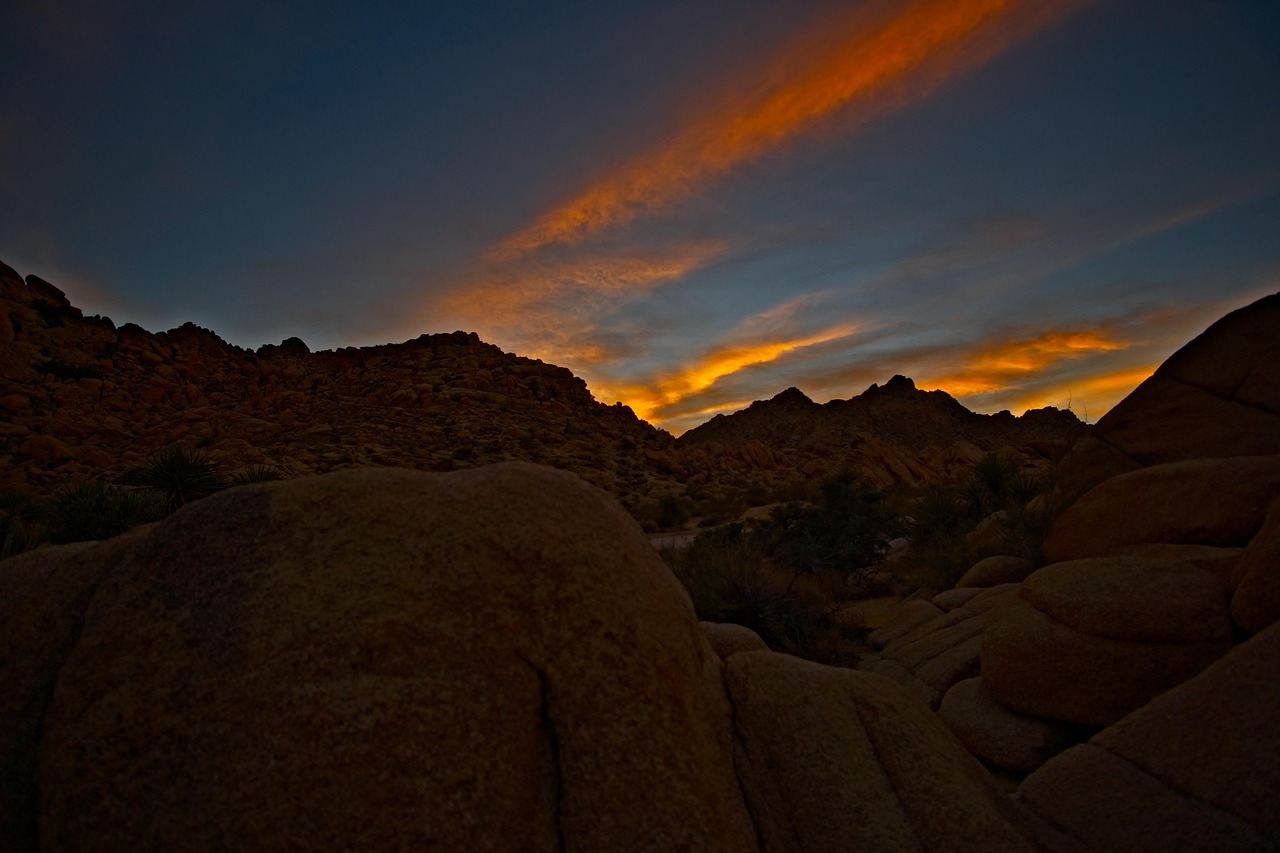
Discovering Joshua Tree on a Budget: Your 2026 Guide
Joshua Tree National Park offers a surreal desert experience, but many visitors assume a trip there requires significant expenditure. In reality, the most profound experiences in this unique landscape are often free or low-cost. This guide focuses on maximizing your adventure in Joshua Tree in 2026 without straining your wallet, proving that breathtaking natural beauty and memorable activities are accessible to everyone.
Last updated: July 31, 2026
Most visitors underestimate how much they can see and do in Joshua Tree National Park for under $100 for a multi-day trip. The key lies in prioritizing experiences that use the park’s natural wonders and opting for cost-effective planning strategies.
- The vast majority of activities within Joshua Tree National Park are free or low-cost, focusing on natural exploration.
- Prioritize hiking, scenic drives, and stargazing for the most impactful, budget-friendly experiences.
- Plan your visit strategically to minimize costs associated with lodging and food.
- Understanding park fees and timing your visit can significantly impact your overall budget.
- The park offers unique, affordable opportunities for photography and art appreciation.
Navigating Joshua Tree National Park Fees in 2026
The primary cost for visiting Joshua Tree National Park is the entrance fee. As of July 2026, a standard 7-day vehicle pass costs $30. This fee grants access to the entire park for seven consecutive days. For those who frequent national parks, an America the Beautiful Pass, costing $80 annually, offers unlimited entry to all U.S. National Parks and Federal Recreational Lands for a year, making it a worthwhile investment if you plan to visit three or more parks within a 12-month period.
When considering how to save money, think about group travel. Splitting the $30 vehicle fee among friends or family can significantly reduce individual costs. For instance, a group of four would each pay only $7.50 for their park access, making it an incredibly affordable outing.
Embrace the Trails: Free Hiking Adventures
Joshua Tree National Park boasts over 250 miles of hiking trails, and this is where the real value for budget travelers lies. Hiking is the quintessential Joshua Tree experience and costs absolutely nothing beyond your park entry fee. From short, accessible nature walks to more challenging backcountry treks, there’s a trail for every fitness level and interest.
For an easy introduction, the Cholula Cactus Garden Nature Trail (0.25 miles, loop) offers a unique glimpse into a dense concentration of Cholula cactus, but remember to maintain a safe distance. Barker Dam Nature Trail (1.1 miles, loop) is another excellent choice, leading to a historic dam and petroglyphs, showcasing both natural and cultural history. These trails are perfect for a casual stroll and fantastic for photography.
If you’re looking for a moderate challenge, Hidden Valley Nature Trail (1 mile, loop) winds through a stunning area of rock formations and is popular for rock climbing. Ryan Mountain Trail (3 miles, out-and-back) offers panoramic views of the park, making the effort richly rewarding. For experienced hikers seeking solitude and stunning vistas, the Lost Horse Mine Trail (4 miles, loop) leads to a well-preserved historic gold mine. Each of these trails provides a unique perspective on the park’s diverse geology and flora without costing a cent.
Scenic Drives: The Best Views for Less
Cruising through Joshua Tree National Park is an experience in itself, offering breathtaking desert vistas without requiring strenuous activity. The park’s main roads are well-maintained, making them ideal for a scenic drive. The park encompasses over 794,000 acres, and a car is the most efficient way to cover ground and see its varied landscapes.
A must-do is the Park Boulevard, which connects the west and north entrances and passes through the heart of the park’s most iconic scenery, including the jumbo rocks and unique Joshua trees. Allow at least 2–3 hours to drive this route and stop at various viewpoints. Key stops include Skull Rock, Jumbo Rocks, and Keys View. Keys View, in particular, offers a sweeping panorama of the Coachella Valley, the San Andreas Fault, and on a clear day, even Mexico.
These viewpoints are accessible by car and require no additional cost. Packing a picnic lunch to enjoy at one of the designated picnic areas, such as Hidden Valley or Cap Rock, further enhances this budget-friendly activity. Things to do in joshua tree allows you to savor the scenery at your own pace and avoid restaurant markups.
Celestial Wonders: Joshua Tree’s Free Night Sky
Joshua Tree National Park is designated as an International Dark Sky Park, meaning it has exceptional clarity of the night sky and a nocturnal environment that protects wildlife. This makes it one of the best places in the world for stargazing, and it’s entirely free. Away from city lights, the sheer number of visible stars is astounding.
The park’s vastness and lack of light pollution create a truly immersive experience. Find an open area away from campgrounds or visitor centers – perhaps a pull-off along Park Boulevard or a designated picnic area. Bring a blanket, lie back, and let the universe unfold above you. Identifying constellations, spotting the Milky Way, or even catching a glimpse of a shooting star are profound experiences that cost nothing.
For an even more enhanced experience, consider downloading a free stargazing app on your smartphone. Apps like SkyView Lite or Star Walk 2 can help you identify planets, stars, and constellations in real-time. This adds an educational layer to the free activity, making it even more engaging for all ages.
Rock Formations: Boulder Adventures
The park’s massive, weathered rock formations are a defining feature and a playground for exploration. Areas like Jumbo Rocks, Hidden Valley, and Wonderland of Rocks offer incredible opportunities to climb, scramble, and explore. These geological wonders are a prime example of the park’s natural beauty, and interacting with them is a core, free activity.
For those interested in rock climbing or bouldering, Joshua Tree is world-renowned. While professional guiding services can be expensive, experienced climbers can bring their own gear and enjoy the park’s challenging routes. For families and less experienced visitors, simply exploring the base of these formations, finding hidden crevices, and marveling at their scale is an adventure in itself. Imagine the tales these ancient rocks could tell!
Remember to always practice Leave No Trace principles when exploring these areas. Stick to established trails and avoid disturbing the delicate desert ecosystem. The geological wonders are best appreciated by observing their grandeur and respecting their fragile environment.
Artsy Exploration: Quirky Finds and Local Culture
Beyond the natural landscape, Joshua Tree town and its surrounding areas are known for their quirky art scene and unique cultural attractions. Many of these are accessible and affordable, adding another dimension to your visit without significant cost. The town of Joshua Tree, just outside the park’s west entrance, offers a different kind of exploration.
Explore the Joshua Tree Certified Farmers Market (Saturdays, 8 AM to 1 PM) for local crafts, produce, and a vibrant community atmosphere. While purchasing items will add to your costs, browsing is free and provides a great snapshot of local life. The Noah Purify Outdoor Desert Art Museum is a must-visit; this sprawling collection of found-object sculptures is a testament to creative resourcefulness and is free to explore. It’s a truly unique outdoor gallery experience unlike any other.
The Integration, a unique dome structure claiming to have healing properties, offers sound baths for a fee (around $25-$35 per person). While not entirely free, it’s a relatively affordable and unique experience for those seeking something different. If that’s outside your budget, simply driving around and spotting the many whimsical roadside art installations and unique architecture in the area offers free entertainment and photo opportunities.
Budgeting Your Joshua Tree Itinerary
To make the most of your budget, consider visiting during the shoulder seasons: spring (March-May) and fall (October-November). While beautiful, these periods can be less crowded than peak spring wildflower season and offer pleasant temperatures for exploring. Summer (June-September) is extremely hot, with daytime temperatures often exceeding 100°F (38°C), making daytime activities challenging and potentially dangerous. Visiting during the cooler months can sometimes mean slightly lower lodging prices, though demand remains high year-round.
For accommodation, camping within or near the park is the most budget-friendly option. Joshua Tree National Park has several campgrounds, with sites typically costing between $15-$25 per night. These sites are first-come, first-served for some campgrounds, while others can be reserved in advance. Booking well in advance is highly recommended, especially for popular sites like Jumbo Rocks or Indian Cove. Alternatively, look for affordable motels or vacation rentals in nearby towns like Joshua Tree, Yucca Valley, or Twentynine Palms. These can often be found for $100-$200 per night for a modest room or small house.
When it comes to food, packing your own provisions is paramount for budget travel. Grocery stores in nearby towns offer supplies for making sandwiches, trail mix, and other easy meals. This dramatically cuts down on food expenses compared to eating out for every meal. A cooler stocked with water, snacks, and picnic lunches will be your best friend.
Practical Money-Saving Tips for Joshua Tree
Beyond the activities, several practical tips can help you save money during your visit. Firstly, ensure your vehicle is in good condition and has enough fuel before entering the park; gas stations are scarce within the park boundaries, and prices are significantly higher. Fill up in towns like Yucca Valley or Palm Springs.
Secondly, bring ample water. Staying hydrated is crucial in the desert, and purchasing water bottles repeatedly can add up. Invest in a reusable water bottle and fill it up at visitor centers or campgrounds. The National Park Service encourages visitors to carry at least one gallon (about 4 liters) of water per person per day.
Finally, consider visiting during the week rather than on weekends or holidays. While the park is always open, weekday visits often mean fewer crowds, easier access to popular viewpoints and trails, and potentially more relaxed campground availability. This can enhance your experience without adding to your expenses.
Remember, the most memorable aspects of Joshua Tree—the vastness of the desert, the unique trees, the silent grandeur of the rock formations, and the star-filled sky—are all free. With careful planning and a focus on these natural wonders, your 2026 trip to Joshua Tree can be both spectacular and affordable.
Frequently Asked Questions
Is Joshua Tree National Park expensive to visit?
Joshua Tree National Park can be very affordable. The primary cost is the $30 entrance fee per vehicle for a 7-day pass. Most activities like hiking, scenic drives, and stargazing are free, making it a budget-friendly destination.
What are the cheapest things to do in Joshua Tree?
The cheapest activities are exploring the park’s natural beauty: hiking its numerous trails, driving scenic routes like Park Boulevard, marveling at rock formations, and stargazing in the dark skies. These are all free once you’ve paid the park entrance fee.
How much does it cost to camp in Joshua Tree?
Camping fees within Joshua Tree National Park typically range from $15 to $25 per night per campsite. This is a very cost-effective way to stay overnight compared to hotels in nearby towns.
When is the best time to visit Joshua Tree for budget travelers?
The shoulder seasons, spring (March-May) and fall (October-November), offer pleasant weather for exploration. While not always cheaper for lodging, avoiding peak holiday weekends can lead to slight savings and fewer crowds.
Can I visit Joshua Tree without a car?
Visiting Joshua Tree without a car is challenging. While some towns offer limited shuttle services to the park entrance, exploring the vast park interior requires a vehicle. Renting a car or carpooling is recommended for budget-conscious visitors who want full access.
What should I pack for a budget trip to Joshua Tree?
Pack essentials like plenty of water, non-perishable food items, sun protection (hat, sunscreen), comfortable hiking shoes, and layers of clothing. Bringing reusable water bottles and a cooler for snacks will save money and reduce waste.
Information current as of July 2026; pricing and product details may change. Knowing how to address things to do in joshua tree early makes the rest of your plan easier to keep on track.