
 By Rameen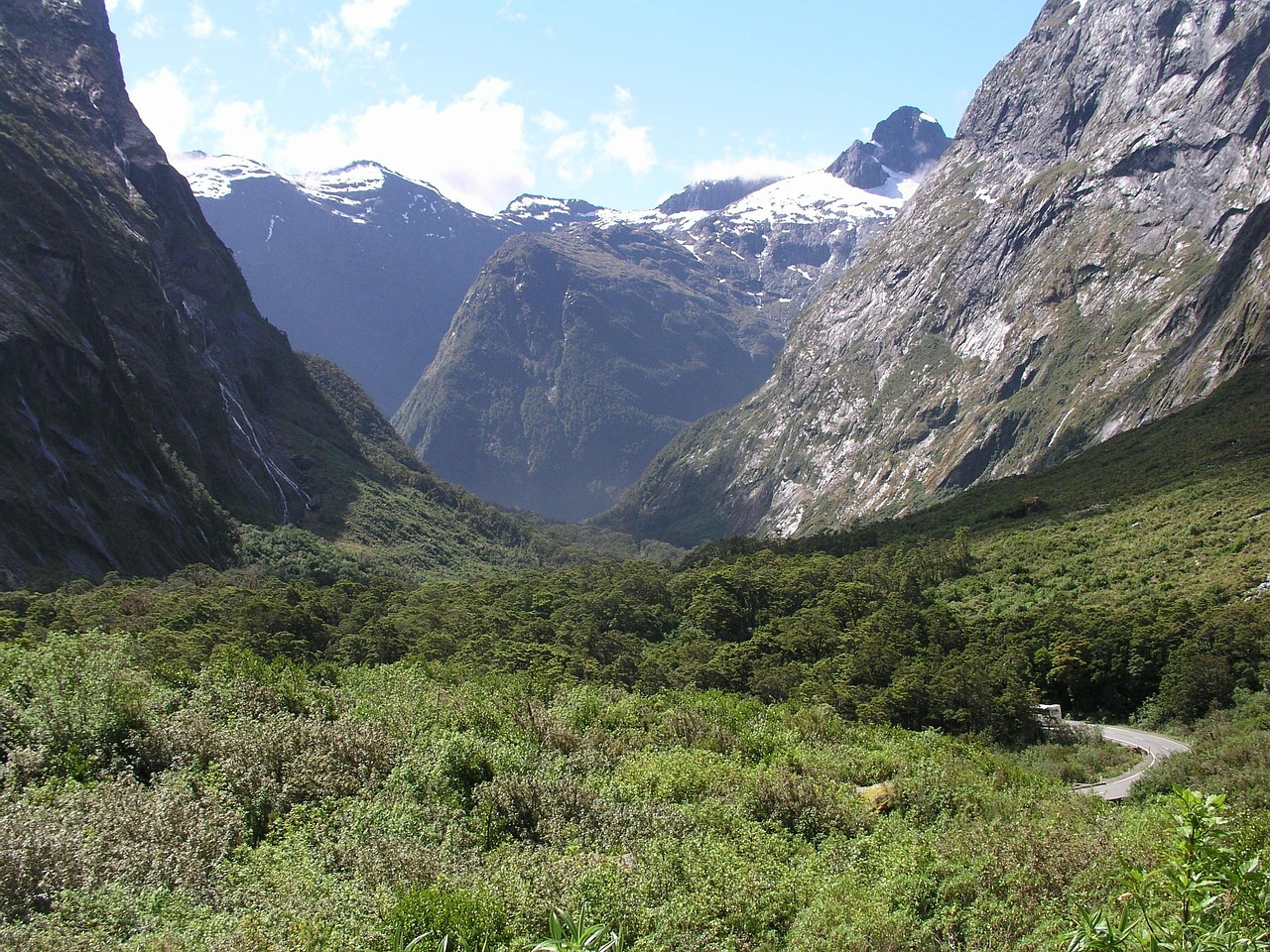
Your Kiwi Adventure Awaits: Unforgettable New Zealand Destinations
Imagine standing where the epic landscapes of Middle-earth came to life, or feeling the spray of a waterfall thundering into a pristine fjord. New Zealand, a land of stark contrasts and breathtaking beauty, offers all this and more. Deciding where to go can be overwhelming, so let’s cut through the noise and explore the absolute best places to visit in New Zealand.
Last updated: August 14, 2026
Whether you’re a thrill-seeker craving adrenaline-pumping activities or a nature enthusiast eager to soak in unparalleled scenery, this island nation delivers. We’ll guide you through the must-see spots, from the geothermal wonders of the North Island to the dramatic alpine peaks of the South Island, ensuring your 2026 journey is nothing short of spectacular.
Key Takeaways
- New Zealand offers diverse landscapes, from geothermal areas to fjords and mountains.
- Consider both the North and South Islands for a complete experience.
- Queenstown is the adventure capital, while Foreland provides stunning natural beauty.
- Book accommodations and popular tours in advance, especially during peak seasons.
- Embrace the local culture and unique Māori heritage for a richer visit.
North Island: Geothermal Marvels and Cultural Heartbeat
New Zealand’s North Island is a mix of active geothermal areas, beautiful coastlines, and rich cultural experiences. It’s often the first point of entry for international travelers, offering a vibrant introduction to Kiwi life.
Rotorua: The Geothermal Playground
Rotorua is a sensory explosion, famous for its bubbling mud pools, steaming geysers, and the distinct smell of sulfur. It’s a must-visit for anyone interested in New Zealand’s volcanic activity.
The Whakarewarewa Living Maori Village offers a unique glimpse into the local Māori way of life, where residents still cook using geothermal heat and live amongst the geysers. For a more curated geothermal experience, Te Puia showcases the Pōhutu Geyser, one of the largest active geysers in the Southern Hemisphere, and the Kiwi Conservation Centre. Don’t miss the Wai-O-Tapu Thermal Wonderland for its colorful hot springs, like the Champagne Pool.
Practical Tip: Visit the geothermal parks in the morning or late afternoon for the most dramatic steam effects and fewer crowds. The air can be cool, so a light jacket is recommended.
Hobbiton Movie Set: A Journey to Middle-earth
For fans of ‘The Lord of the Rings’ and ‘The Hobbit’ trilogies, a visit to the Hobbiton Movie Set near Matamata is pure magic. Walking through the Shire, with its charming hobbit holes and the Green Dragon Inn, feels like stepping onto a film set.
Tours are guided and take you through the meticulously maintained set. It’s a whimsical experience that brings the beloved fantasy world to life. Booking tickets in advance is highly recommended, as tours often sell out, especially during peak travel periods like August and September 2026.
Beyond the set, the Waikato region offers rolling green hills and dairy farms, showcasing the quintessential New Zealand countryside.
Waitomo Caves: Glow-worm Magic Above and Below
Venture underground into the Waitomo Caves to witness a spectacular natural phenomenon: thousands of glow-worms illuminating the cave ceilings. A silent boat ride through the Glowworm Grotto is a truly enchanting experience, with the tiny creatures creating a star-like effect.
For the more adventurous, black water rafting offers a unique way to explore the caves. You can float or abseil through underground rivers, surrounded by the ethereal glow-worm light. This adventure is a fantastic way to experience the natural wonders of New Zealand, offering a different perspective than the surface-level beauty.
Experience Note: The best viewing times for the glow-worms are generally in the evening when the caves are darkest. Photography is often restricted inside the caves to protect the delicate ecosystem and the glow-worms.
South Island: Dramatic Landscapes and Adventure Hubs
The South Island is where New Zealand truly flexes its natural muscles. Think towering mountains, turquoise lakes, ancient glaciers, and an abundance of adventure activities that draw visitors from across the globe.
Queenstown: The Adventure Capital of the World
Queenstown is synonymous with adrenaline. Nestled on the shores of the stunning Lake Wakatipu and surrounded by the Remarkables mountain range, it’s the undisputed adventure capital.
Activities range from bungee jumping (Queenstown is home to the world’s first commercial bungee jump at the Kawarau Bridge) and skydiving to white-water rafting, jet boating, and skiing in winter. For a more relaxed pace, scenic gondola rides offer panoramic views, while lake cruises provide a peaceful way to appreciate the surroundings. The dining scene is also surprisingly sophisticated for a town so focused on adventure.
Foreland National Park & Milford Sound: Majestic Fjords
Foreland National Park, a UNESCO World Heritage site, is a realm of dramatic fjords, ancient rainforests, and towering waterfalls. Milford Sound is its crown jewel, a majestic waterway carved by glaciers.
A cruise on Milford Sound is an absolute must. As you glide past sheer cliffs, you’ll encounter seals, dolphins, and often penguins. The scale of the landscape, with waterfalls like Stirling and Bowen Falls plunging hundreds of meters, is simply awe-inspiring. The drive to Milford Sound itself is spectacular, winding through dense rainforest and offering stunning viewpoints.
For those seeking a deeper immersion, kayaking or overnight cruises allow for a more intimate encounter with this natural wonder. The sheer immensity of the fiords makes you feel incredibly small.
Abel Tasman National Park: Coastal Paradise
If golden beaches, crystal-clear turquoise waters, and lush coastal forests sound appealing, then Abel Tasman National Park is your destination. It’s New Zealand’s smallest national park but packs a mighty punch in terms of beauty.
The park is renowned for its stunning coastal track, which can be walked in sections or as a multi-day trek. Water taxis and kayak tours provide flexible ways to explore its coves, beaches, and marine life. It’s a perfect spot for swimming, sunbathing, and enjoying the serene coastal environment. According to the Department of Conservation, the park’s accessibility via water makes it a unique experience, blending sea and land exploration.
Practical Tip: Pack plenty of sunscreen, a hat, and insect repellent, as the sun can be intense and sandflies are common, especially during warmer months.
Aoraki/Mount Cook National Park: Aoraki, The Cloud Piercer
Home to New Zealand’s highest peak, Aoraki/Mount Cook, this park is a paradise for hikers and mountaineers. The dramatic alpine scenery, with jagged peaks, glaciers, and vibrant blue lakes, is simply breathtaking.
Popular activities include the Hooker Valley Track, a relatively easy walk offering spectacular views of Aoraki/Mount Cook, Mueller Lake, and the Hooker Glacier. Stargazing is also exceptional here, thanks to the park’s status as a Dark Sky Reserve. The lack of light pollution means the night sky is incredibly vivid.
Travel Tips for Your New Zealand Adventure
Planning a trip to New Zealand involves more than just picking destinations. Here are some practical tips to make your journey smoother and more enjoyable in 2026.
Planning Your Itinerary: North vs. South Island
The vast majority of visitors find that trying to see both islands in less than two weeks is too rushed. If you have limited time (10–14 days), it’s best to focus on one island. The North Island offers a richer cultural experience and geothermal wonders, while the South Island is renowned for its dramatic natural landscapes and adventure sports.
For a complete trip spanning 3–4 weeks, you can comfortably explore highlights of both. Remember to factor in travel time between locations, whether by car, bus, or domestic flights.
Transportation Options and Considerations
Renting a car or campervan is the most popular way to explore New Zealand, offering flexibility and freedom. Roads are generally well-maintained, though many are narrow and winding, particularly in scenic areas. Driving is on the left-hand side of the road.
Alternatively, a complete network of bus services connects major towns and cities. For longer distances, domestic flights can save significant travel time. Booking transport in advance is advisable, especially for popular routes or during school holidays.
Accommodation and Booking Advice
New Zealand offers a wide range of accommodation, from luxury lodges and boutique hotels to motels, holiday parks (with cabins and campsites), and backpacker hostels. Options like Airbnb are also readily available.
Given the popularity of certain destinations like Queenstown and Foreland, booking accommodation and popular tours (like Milford Sound cruises or Hobbiton) well in advance is crucial, especially for travel during the peak summer months (December to February) and the shoulder seasons (spring and autumn 2026). This is particularly true for unique stays or highly-rated guided experiences.
Embracing Local Culture and Etiquette
New Zealanders, or ‘Kiwis’, are generally friendly and laid-back. A common greeting is a nod or a simple ‘hello’. When visiting Māori cultural sites, show respect by following guides’ instructions and observing local customs.
The Māori culture is a significant part of New Zealand’s identity. Engaging with it respectfully, perhaps through a traditional hangi feast or a visit to a marae (meeting grounds, often with guided tours), can enrich your understanding of the country.
What to Pack for New Zealand
New Zealand’s weather can be highly variable, even within a single day. Layering is key! Pack a waterproof and windproof jacket, comfortable walking shoes, warm layers (fleece or wool), sun protection (hat, sunglasses, high SPF sunscreen), and insect repellent.
Even in summer, evenings can be cool, and mountain areas can be cold year-round. Conversely, hot sunny days are common in summer, so don’t underestimate the need for sun protection.
Common Mistakes to Avoid on Your NZ Trip
While New Zealand is incredibly welcoming, a few common pitfalls can detract from your experience.
Trying to See Too Much
New Zealand’s beauty often lies in its vastness and the journey between destinations. Trying to cram too many places into a short trip leads to more time spent driving and less time experiencing. Focus on quality over quantity to truly appreciate each location.
Underestimating Travel Times
The roads, while scenic, can be slow. Google Maps estimates are often optimistic. Always add at least 20-30% extra time for driving, especially on the South Island’s winding routes. This prevents rushing and allows for spontaneous stops at viewpoints.
Not Booking in Advance
As mentioned, popular activities, accommodations, and rental vehicles can book up months ahead, particularly in Queenstown, Foreland, and during peak season. This oversight can lead to disappointment or settling for less ideal options.
Ignoring the Weather Forecast
The weather in New Zealand is famously unpredictable. A beautiful sunny morning can turn into a rain-soaked afternoon, especially in mountainous regions. Always check local forecasts and be prepared to adjust your plans or activities accordingly.
Frequently Asked Questions
What is the best month to visit New Zealand?
The best months to visit New Zealand generally depend on your interests. For most travelers, spring (September-November) and autumn (March-May) offer pleasant weather, fewer crowds, and beautiful scenery. Summer (December-February) is warmest but busiest and most expensive. Winter (June-August) is ideal for skiing and seeing snow-capped mountains.
Is New Zealand expensive to visit?
New Zealand can be an expensive destination, particularly for accommodation, car rental, and organized tours. However, you can manage costs by travelling in the shoulder seasons, opting for hostels or campsites, self-catering some meals, and focusing on free natural attractions like hiking and scenic drives.
How many days are recommended for a New Zealand trip?
A minimum of 10–14 days is recommended to get a good feel for one island. For a more complete experience covering highlights of both the North and South Islands, plan for at least 3–4 weeks. Anything less than 7 days would be extremely rushed.
Is it safe to travel to New Zealand?
New Zealand is considered a very safe country for travelers, with low crime rates. However, it’s always wise to take standard precautions, such as securing your belongings and being aware of your surroundings, especially in tourist hotspots. The main risks often relate to natural hazards and driving conditions.
What is unique about New Zealand’s culture?
New Zealand’s unique culture is a blend of Māori heritage and European (primarily British) influences. This fusion is evident in its language, art, traditions, and cuisine. The concept of ‘Manaakitanga’ (hospitality and generosity) and ‘Kaitiakitanga’ (guardianship of the environment) are core Māori values that shape the nation’s identity.
Do I need a visa to visit New Zealand?
Many nationalities don’t require a visa for short tourist stays. However, most visitors will need to obtain an NZeTA (New Zealand Electronic Travel Authority) before travelling and pay an International Visitor Conservation and Tourism Levy (IVL). Always check the official New Zealand Immigration website for the most current requirements based on your nationality.
Information current as of August 2026; pricing and product details may change. Knowing how to address best places to visit in new zealand early makes the rest of your plan easier to keep on track.