
 By Rameen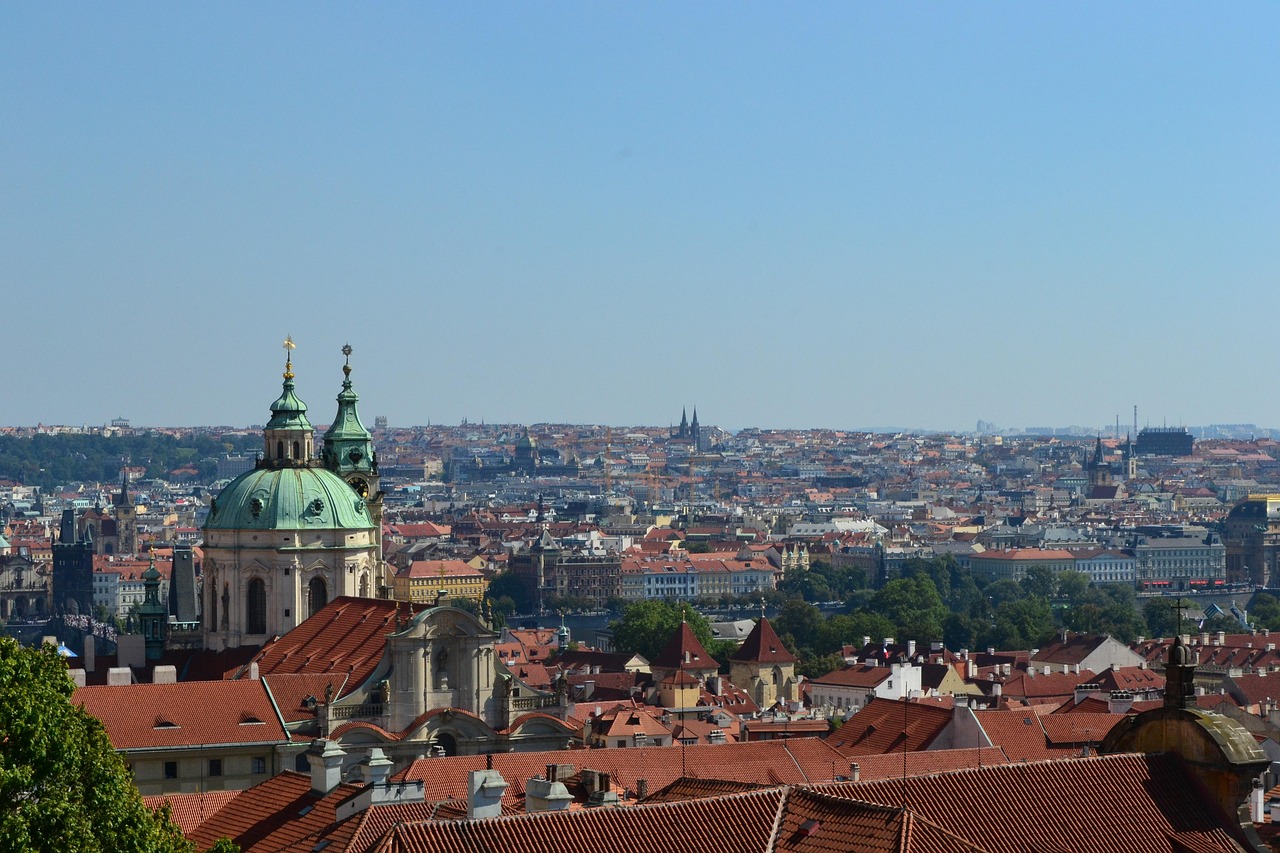
ank” rel=”noopener noreferrer” title=”Source: unesco.org”>UNESCO World Heritage site is a sprawling marvel of architectural styles, from Romanesque basilicas to Gothic cathedrals. Dedicate at least half a day to wander through its courtyards, visit St. Vitus Cathedral with its breathtaking stained glass, and stroll down the charming Golden Lane, once home to alchemists and goldsmiths.
Last updated: July 31, 2026
The views from the castle ramparts are spectacular, offering a panoramic vista of the city’s red rooftops and the winding Vltava River. Consider purchasing a circuit ticket that grants access to multiple historical buildings within the complex. Visiting early in the morning or late in the afternoon can help you avoid the peak crowds, offering a more serene experience.
Charles Bridge: A Historic Crossing Over the Vltava
The iconic Charles Bridge, a stone Gothic bridge built in the 14th century, is a quintessential Prague experience. Lined with baroque statues of saints, it connects the Old Town with the Lesser Town (Malá Strana). Walking across it, especially at sunrise or sunset, is a magical experience, with the castle illuminated in the distance and street artists and musicians adding to the atmosphere.
While it can get incredibly busy during the day, an early morning stroll offers a more tranquil and photogenic opportunity. The bridge provides stunning views of the Vltava River and the surrounding historic districts. For a different perspective, consider a Vltava River cruise that passes beneath the bridge, offering unique photo opportunities.
Old Town Square & Astronomical Clock: The Heartbeat of Prague
Prague’s Old Town Square is a vibrant hub of activity, surrounded by stunning historical buildings, including the Old Town Hall and the Church of Our Lady before Týn. The square itself has witnessed centuries of history, from markets and celebrations to political events. At the heart of it all is the Astronomical Clock, a medieval marvel that puts on a captivating show of apostles parading on the hour, drawing crowds of spectators.
Climbing the Old Town Hall Tower offers unparalleled views of the square and the city beyond. The intricate details of the Astronomical Clock, a masterpiece of engineering from 1410, are fascinating to observe up close. Be sure to allocate time to simply soak in the atmosphere, perhaps with a traditional Trdelník pastry from a nearby vendor.
The Jewish Quarter: A Poignant Historical Journey
The Josefov, Prague’s historic Jewish Quarter, is a district steeped in centuries of history and culture. It houses several beautifully preserved synagogues, including the Old-New Synagogue (Europe’s oldest active synagogue), the Spanish Synagogue with its stunning Moorish interior, and the Pinkas Synagogue, which serves as a memorial to Holocaust victims. The Old Jewish Cemetery, with its densely packed, ancient tombstones, is a deeply moving sight.
A complete ticket allows access to most of these historical sites. Understanding the history of this area is crucial to appreciating its significance. The quarter offers a stark contrast to the grandeur of Prague Castle and Charles Bridge, providing a deeper understanding of the city’s complex past. Many guided tours focus specifically on the Jewish Quarter, offering valuable historical context.
Savor Czech Cuisine and Embrace Beer Culture
Czech cuisine is hearty, flavorful, and best enjoyed with a glass of world-renowned Czech beer. Traditional dishes like Goulash (a rich meat stew), Svíčková (marinated beef with cream sauce and dumplings), and Koleno (roasted pork knuckle) are staples. Don’t miss trying some local dumplings, a common accompaniment to many main courses. For a sweet treat, Trdelník is popular among tourists, though more traditional pastries are available in local bakeries.
Prague is a beer lover’s paradise. Pilsner Urquell, Budweiser Budvar, and Koel are just a few of the famous Czech beers. Visiting a traditional pub or ‘Hosoda’ is an essential cultural experience. Many establishments offer excellent value, with a pint of excellent lager costing around 60-80 CZK (approximately $2.50-$3.50 USD as of July 2026). Exploring the beer gardens in warmer months provides a relaxed atmosphere.
Malá Strana & Petřín Hill: Lesser Town Charm and Scenic Views
Malá Strana, or Lesser Town, is one of Prague’s most picturesque neighborhoods, located just across Charles Bridge from the Old Town. It’s a charming area with Baroque palaces, quaint streets, and hidden gardens. Exploring its winding lanes reveals unique shops, traditional pubs, and beautiful churches like St. Nicholas Church, a Baroque masterpiece.
Adjacent to Malá Strana is Petřín Hill, offering a green oasis with stunning city views. You can climb the Petřín Lookout Tower, a mini Eiffel Tower, for even more expansive panoramas. The hill also features rose gardens, orchards, and a mirror maze, making it a perfect spot for a leisurely afternoon stroll, away from the bustling city center.
Unique Prague Experiences Beyond the Main Sights
To truly experience Prague, venture beyond the most famous landmarks. Consider visiting the quirky Dancing House, an architectural marvel on the Vltava riverbank. The Lennon Wall, a colorful tribute to John Lennon and peace, offers a vibrant splash of art and history. For a taste of the unusual, the Museum of Communism provides a stark look at Czechoslovakia’s past under Soviet influence, or explore the Franz Kafka Museum for a deeper understanding of the city’s famous literary son.
Another unique activity is attending a classical music concert in one of Prague’s historic churches or concert halls, such as the Municipal House or St. George’s Basilica. These performances, often featuring works by Mozart, Dvořák, or Smetana, are a beautiful way to connect with Prague’s rich musical heritage. For those seeking a truly local experience, seeking out smaller, neighborhood pubs away from the main tourist drag can lead to delightful discoveries.
Practical Tips for Your Prague Visit
Navigating Prague is relatively straightforward. The city center is highly walkable, but the public transport system, including trams and metro, is efficient and affordable for longer distances. Consider purchasing a multi-day transport pass if you plan to use it frequently. While the Czech Koruna (CZK) is the official currency, many tourist establishments accept Euros, though exchange rates may not be favorable.
Be mindful of your belongings, especially in crowded tourist areas, as pickpocketing can occur. Familiarizing yourself with basic Czech phrases can enhance your interactions with locals. For the best experience, plan your itinerary to balance iconic sights with exploring less-crowded neighborhoods and cultural nuances. Booking popular tours or attractions in advance, especially for Prague Castle or specific exhibitions, can save time and guarantee entry.
Frequently Asked Questions
What is the best time of year to visit Prague?
Spring (April-May) and Autumn (September-October) offer pleasant weather, fewer crowds, and beautiful scenery. Summer (June-August) is warm but can be very crowded, while winter (November-March) is cold but magical with Christmas markets.
How many days are recommended to see Prague?
Three to four days are generally recommended to explore the main attractions and get a feel for the city. To dig deeper into museums, neighborhoods, and day trips, five days or more would be ideal.
Is Prague expensive for tourists in 2026?
Compared to Western European capitals, Prague remains relatively affordable. While prices in prime tourist areas have increased, local eateries and public transport offer good value for money, especially if you budget around 1500-2000 CZK per person per day for basics.
What are the must-see historical sites in Prague?
The absolute must-sees include Prague Castle, Charles Bridge, Old Town Square with the Astronomical Clock, and the Jewish Quarter. These sites are central to understanding Prague’s rich historical tapestry.
Can you drink the tap water in Prague?
Yes, tap water in Prague is safe to drink. It’s regularly tested and meets strict European Union standards, saving you money and reducing plastic waste.
What is the best way to get around Prague?
The city center is very walkable. For longer distances, Prague’s efficient tram and metro system is excellent. Purchasing a public transport pass for 24, 72 hours, or longer is a cost-effective option.
Conclusion: Planning Your Prague Adventure
Prague offers a captivating blend of historical grandeur and contemporary charm, ensuring a memorable experience for every traveler. From the majestic Prague Castle to the atmospheric lanes of the Jewish Quarter, and the lively Old Town Square, the city provides endless opportunities for exploration and discovery. By balancing iconic sights with local flavour and practical planning, your 2026 visit to this Czech gem promises to be truly extraordinary.
Information current as of July 2026; pricing and product details may change.
Source: Lonely Planet.
Related read: Things to Do at Joshua Tree National Park.