
 By Rameen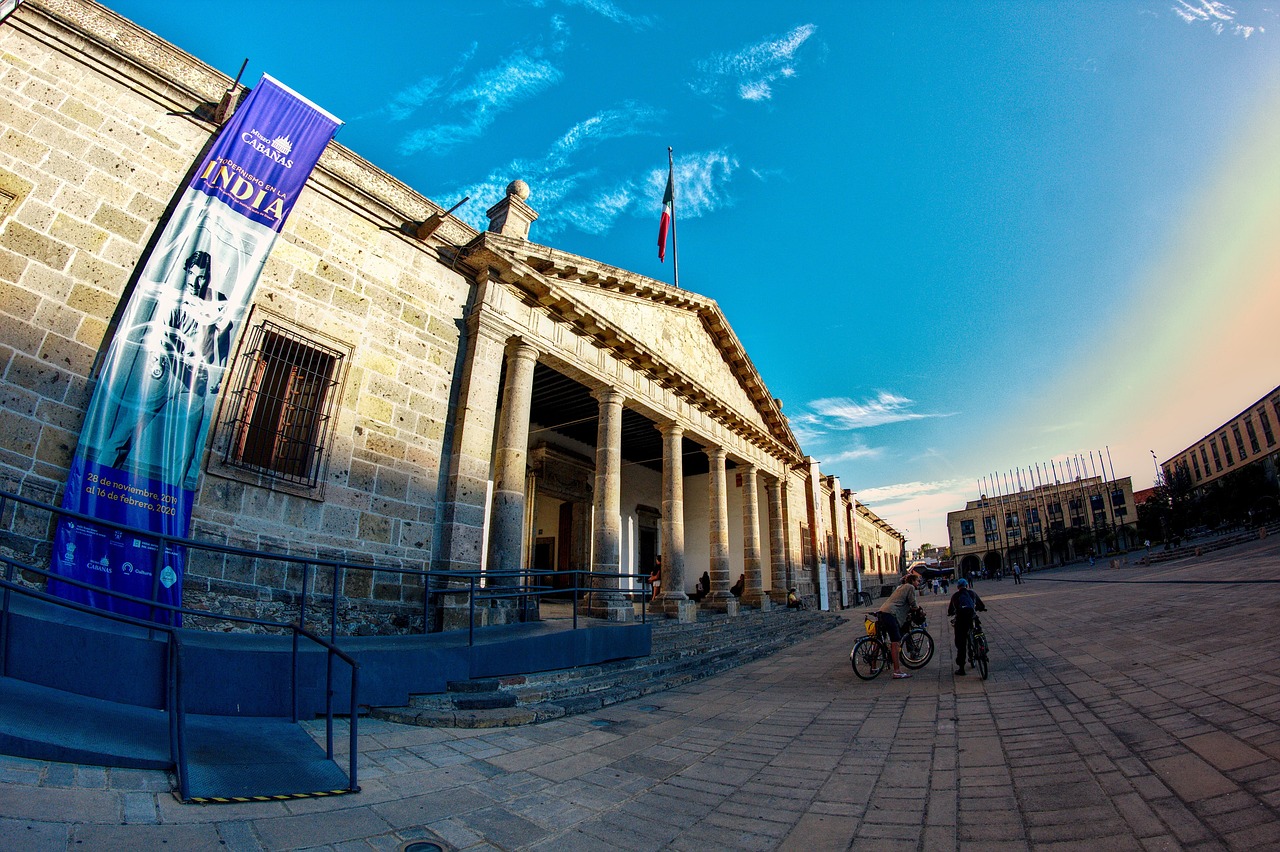
lank” rel=”noopener noreferrer” title=”Source: whc.unesco.org”>UNESCO World Heritage site and the pulsating heart of the city. Here, grand plazas and ornate buildings tell tales of Mexico’s past. The most striking landmark is the Guadalajara Cathedral, with its distinctive twin towers and neoclassical facade. Its construction began in 1561, and it has undergone several reconstructions, most notably after earthquakes in the 1950s.
Last updated: August 3, 2026
Adjacent to the cathedral, the Plaza de Armas and Plaza de la Liberación offer serene spaces for reflection and people-watching. The Palaciosss de Gobierno, with its impressive murals by Orozco depicting Jalisco’s history, is also a must-see.
Hospicio Cabañas: A Monument to Art and History
No visit to Guadalajara is complete without exploring the Hospicio Cabañas. This vast, neoclassical former orphanage is now a cultural institute and a UNESCO World Heritage site. It’s most famous for the stunning frescoes by José Clemente Orozco, particularly the ‘Man of Fire’ in the main dome, a powerful symbol of creation and destruction.
Wandering through its grand courtyards and numerous rooms, you can appreciate the building’s scale and its historical significance as a refuge for the poor and orphaned. The institute also hosts temporary art exhibitions, adding a contemporary layer to its rich heritage.
Tlaquepaque: Crafts and Culture
Just a short drive from the city center, Tlaquepaque is a charming municipality renowned for its artisan workshops and galleries. This is the place to find exquisite pottery, blown glass, textiles, and ceramics. The pedestrian-friendly streets are lined with colorful buildings housing boutiques and studios where you can watch artists at work.
El Refugio Cultural is a former pottery factory now repurposed into a cultural center featuring workshops and shops. Don’t miss the chance to enjoy a meal at one of Tlaquepaque’s many excellent restaurants, often featuring traditional Faliscan dishes and live music.
Tequila Day Trip: The Spirit of Jalisco
Guadalajara is the gateway to the town of Tequila, a UNESCO World Heritage site and the origin of the iconic Mexican spirit. Taking a day trip here is an essential experience for understanding Jalisco’s cultural identity. Numerous distilleries, from large-scale producers like Jose Cuervo and Herradura to smaller, artisanal operations, offer tours.
These tours typically explain the agave cultivation, the distillation process, and, of course, include tasting sessions. The journey itself is scenic, passing through vast blue agave fields that define the landscape. According to the Consejo Regulator del Tequila, the Denomination of Origin for Tequila covers specific regions, with Jalisco being the most prominent.
A Taste of Guadalajara: Culinary Adventures
Guadalajara’s food scene is a vibrant reflection of its heritage. The city is famous for its regional specialties. One must-try is birria, a savory stew, often made with goat or lamb, slow-cooked to perfection. Another iconic dish is the torta ahogada, a ‘drowned sandwich’ typically filled with Caritas and smothered in a spicy chile de arborl sauce.
For an authentic experience, visit local markets like Mercado San Juan de Dios, one of the largest indoor markets in Latin America. Here, you can sample everything from fresh juices and local cheeses to prepared meals. Exploring these markets is among the most immersive things to do in Guadalajara.
Mariachi and Music: The Soul of Jalisco
Guadalajara is unequivocally the world capital of mariachi music. The Plaza de los Mariachis, near the historic center, is a lively square where bands gather, ready to play for passing visitors or to fill the air with traditional sones Jaliscienses. Evenings here are particularly atmospheric, with music drifting from nearby restaurants and cantinas.
Beyond the Plaza de los Mariachis, you can find live music performances in many restaurants and cultural venues across the city, offering a chance to experience the passion and artistry of this quintessential Mexican tradition. This musical heritage is a core part of any Guadalajara itinerary.
Beyond the Center: Exploring Guadalajara’s Neighborhoods
While the historic center is a primary draw, Guadalajara’s distinct neighborhoods offer diverse experiences. Chapultepec Avenue (often called ‘Chapu’) is known for its trendy cafés, boutiques, and nightlife. It’s a hub for young professionals and artists, offering a more contemporary vibe.
Colomos Park offers a green escape within the city, with walking paths, sports facilities, and the fascinating ‘El Pueblo’ miniature village. For a glimpse into local life, explore areas like Providencia or Americana, each with its own character and culinary offerings.
Navigating Guadalajara: Transport and Safety
Getting around Guadalajara is relatively straightforward. The city has a public transportation system, including buses and a light rail system (Mi Macro Peripherieso and Mi Tren). Taxis and ride-sharing apps like Uber and Didi are widely available and are often the most convenient way to travel between attractions, especially at night.
As with any major city, it’s wise to be aware of your surroundings. The U.S. Department of State has issued travel advisories for Jalisco, recommending travelers exercise increased caution due to crime. While tourist areas are generally safe, it’s advisable to avoid displaying wealth, walk in well-lit areas, and use reputable transport services. According to government guidance as of August 2026, sticking to popular tourist zones and exercising common sense significantly mitigates risks.
Practical Tips for Your Visit
When planning your trip, consider the time of year. Guadalajara experiences a warm climate year-round, with a rainy season typically from June to October. The dry season, from November to May, offers pleasant temperatures ideal for exploration.
Learn a few basic Spanish phrases, as English is not widely spoken outside of major tourist establishments. Carrying small denominations of Mexican pesos (MXN) is useful for markets and smaller vendors. Staying hydrated is also important, especially when exploring under the sun.
Common Mistakes to Avoid
One common mistake is trying to see too much in a single day. Guadalajara is a large city with numerous attractions spread across different areas. It’s better to focus on a few key experiences per day to truly appreciate them rather than rushing through.
Another mistake is overlooking the local food scene. While international cuisine is available, the authentic Faliscan dishes are what make Guadalajara unique. Don’t be afraid to try street food from reputable vendors or explore local markets for the best culinary finds.
Expert Insights for Deeper Exploration
For an even richer experience, consider visiting during local festivals. The Fiestas de Octubre, for example, is a month-long celebration featuring concerts, parades, and cultural events. If your visit coincides with this, you’ll witness the city at its most festive.
Engaging with local guides can also provide invaluable insights into the city’s history and culture that you might otherwise miss. Many tours are available focusing on street art, culinary traditions, or historical walking tours, offering a deeper dive into specific aspects of Guadalajara.
Frequently Asked Questions
Is Guadalajara safe for tourists?
While certain areas of Jalisco have seen crime, tourist zones in Guadalajara are generally safe when common sense precautions are taken. It’s advisable to stay informed about local advisories and use reputable transportation.
What is Guadalajara most famous for?
Guadalajara is globally renowned as the birthplace of mariachi music and tequila. It’s also celebrated for its rich history, colonial architecture, and vibrant cultural traditions.
How many days are needed to see Guadalajara?
A minimum of 3–4 days allows for exploration of the historic center, key museums, a day trip to Tequila, and a taste of the local food scene. More time allows for deeper exploration of neighborhoods and surrounding areas.
What is the best way to get around Guadalajara?
Ride-sharing apps like Uber and Didi, along with taxis, are convenient for getting to specific attractions. The city also has a public bus system and a light rail, which can be more economical for longer distances.
When is the best time to visit Guadalajara?
The dry season, from November to May, offers the most pleasant weather with warm days and cooler evenings. Visiting during festivals like Fiestas de Octubre can provide a unique cultural experience.
What local dishes should I try?
Essential culinary experiences include birria (a flavorful stew), tortas ahogadas (drowned sandwiches), and Poole. Don’t miss trying local agave spirits like tequila and raicilla.
Information current as of August 2026; pricing and product details may change.
Source: Lonely Planet.
Knowing how to address things to do in guadalajara early makes the rest of your plan easier to keep on track.