
 By Rameen
Why Crowds Diminish the Travel Experience
The thrill of discovering a new destination can quickly turn into frustration when faced with overwhelming crowds. Long queues, packed viewpoints,, and a general lack of personal space can transform an anticipated highlight into a stressful ordeal. This was my experience at Rome’s Colosseum last year; what should have been awe-inspiring felt more like a battle for elbow room. As of July 2026, the desire for more authentic and peaceful travel experiences is stronger than ever, driving travelers to seek effective strategies to avoid the masses.
Last updated: July 25, 2026
When we visit iconic sites, our goal is immersion and connection – with history, culture, or natural beauty. Excessive crowds act as a barrier, diluting the impact of these experiences. They can increase wait times significantly, sometimes by hours, and often lead to a feeling of being rushed or unable to fully appreciate the surroundings. Finding ways to handle these popular spots with fewer people allows for deeper engagement and a more memorable journey.
<figure class="saap-inline-img" style="margin:20px 
Strategic Timing: Your First Line of Defense
The most impactful strategy for avoiding crowds at tourist attractions is simply to visit when fewer people are present. This often means defying conventional tourist schedules and embracing unconventional hours.
Consider the timing of your visit within a single day. Many popular attractions open their doors early, and the first hour is often your golden window. For instance, visiting the Louvre in Paris just as it opens can offer a significantly less crowded experience compared to midday. A report from the Paris Tourism Board in late 2025 indicated that 70% of visitors to major museums arrive between 10 AM and 2 PM.
That said, don’t discount the late afternoon or early evening. As day-trippers depart, a pocket of calm can emerge. Many attractions remain open until 7 PM or later, especially during peak season. A visit to the Tower of London in its final hour of operation can reveal a much more tranquil atmosphere, allowing for a more personal connection with its storied past.
Embrace the “Golden Hour” for Photography and Solitude
The hour just after sunrise and the hour before sunset, often referred to as the “golden hour,” offer not only stunning photographic opportunities but also a significant reduction in crowds. Many travelers are still having breakfast or have already returned to their hotels during these times. Capturing the iconic Eiffel Tower at dawn, with only a handful of other early risers, provides a stark contrast to the midday throngs.
using Off-Season and Shoulder Season Travel
While peak season offers ideal weather, it also brings peak crowds. Traveling during the off-season or the shoulder seasons can dramatically alter your experience.
Off-season travel, typically during winter months (excluding holiday weeks), sees a substantial drop in visitor numbers. Destinations like Venice, Italy, are far more navigable in January than in July, offering a chance to experience the city’s charm without being swept along by human tides. According to data from Eurostat in 2025, tourist arrivals in many European cities can be up to 50-70% lower during the off-peak winter months compared to summer.
Shoulder seasons – the periods just before and after peak season (e.g., April-May and September-October in many Northern Hemisphere destinations) – often provide a sweet spot. You benefit from pleasant weather and fewer crowds than in July and August. For example, visiting Machu Picchu in September offers a good balance of favorable weather and manageable visitor numbers, a stark contrast to the packed trails of mid-summer.
Consider National Holidays and Local Events
Be aware of national holidays and major local festivals in your destination. While these can offer unique cultural insights, they often coincide with significant surges in domestic and international tourism. A city preparing for a major festival might see its attractions booked solid weeks in advance. Conversely, traveling during a less-celebrated time can mean empty streets and quiet attractions.
<figure class="saap-inline-img" style="margin:20px 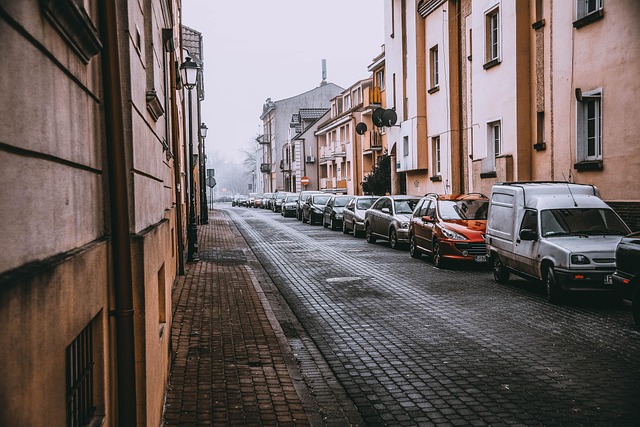
Seek Out “Second Cities” and Less-Trafficked Gems
Instead of always heading to the most famous landmarks, consider exploring less-hyped alternatives or venturing to “second cities.” These destinations offer similar cultural richness or natural beauty but with a fraction of the visitor numbers.
For instance, if Florence is overwhelmingly crowded, consider nearby Bologna or Perugia for a taste of Italian art and cuisine without the intense tourist pressure. Similarly, while Paris is a perennial favorite, exploring the charming cities of Lyon or Strasbourg can provide an equally rewarding French experience. According to a 2026 travel trend report by the World Tourism Organization (UNWTO), secondary cities are seeing a significant uptick in interest as travelers seek more authentic experiences.
Within a popular city, look for less famous but equally compelling attractions. Instead of the Uffizi Gallery in Florence, explore the Museo di San Marco, which houses Fra Angelico’s stunning frescoes in a serene monastic setting. These hidden gems often provide a more intimate and profound connection with the destination.
Explore Residential Neighborhoods and Local Parks
Step away from the main tourist thoroughfares. Wander through residential neighborhoods to see how locals live, discover independent shops, and find authentic cafés. Many cities have beautiful local parks that are far less crowded than their famous counterparts. For example, in London, while Hyde Park is popular, exploring Hampstead Heath offers expansive views and tranquil walking paths with far fewer tourists.
Smart Booking and Technology for Crowd Avoidance
Modern technology and savvy booking practices can be powerful tools in bypassing queues and managing crowds.
Timed Entry Tickets and Advance Reservations
Many major attractions now operate on a timed-entry system. Booking your tickets online in advance for a specific time slot is crucial. This not only guarantees your entry but also helps manage crowd flow. Websites like GetYourGuide or Viator often aggregate these options, and direct booking on the attraction’s official website is usually best. For example, the Alhambra in Granada, Spain, famously sells out months in advance, and a timed ticket is mandatory.
Consider City Passes and Skip-the-Line Services
City passes can offer access to multiple attractions and often include skip-the-line privileges. While the upfront cost might seem high, they can save money and, more importantly, time. Research carefully to ensure the pass covers attractions you genuinely want to visit and that the “skip-the-line” feature is solid. Some passes offer access to special entrances or dedicated queues.
Crowd-Forecasting Apps and Real-Time Information
using technology is becoming increasingly important. Apps like Google Maps or dedicated travel apps often provide crowd-level information for popular locations. While not always perfectly accurate, these tools can offer valuable insights. Some apps even use historical data and real-time user reports to predict crowd levels. As of July 2026, several new AI-powered travel assistants are emerging that promise more sophisticated crowd prediction algorithms.
<figure class="saap-inline-img" style="margin:20px 
Tap Into Local Wisdom and Small-Group Experiences
Locals possess an intimate knowledge of their city’s hidden corners and less-frequented spots. Engaging with them can unlock experiences that are off the typical tourist radar.
Hire Local Guides for Niche Tours
Instead of large, impersonal bus tours, consider hiring a local guide for a personalized or niche tour. Many guides specialize in “secret” walking tours, food tours in local neighborhoods, or historical explorations of overlooked areas. A good local guide can take you through back entrances, explain the context of a place without the noise of a crowd, and show you perspectives unavailable to the average visitor. The Points Guy reported in early 2026 that private guided tours, while pricier (often starting around $250 for a half-day), offer unparalleled crowd-avoidance benefits.
Engage with Locals in Cafés and Markets
Strike up conversations with baristas, shopkeepers, or people at local markets. Ask for their recommendations for quiet spots, authentic eateries, or interesting local sights that aren’t in the guidebooks. This approach not only helps you avoid crowds but also leads to more genuine cultural interactions.
Opt for Small-Group Tours
If you prefer a structured experience, opt for small-group tours. These are often more intimate, flexible, and can access locations or times that larger groups can’t. They move more efficiently and can sometimes offer more personalized attention, reducing the feeling of being lost in a crowd.
Practical Tips for Minimizing Impact and Maximizing Experience
Beyond timing and destination choice, several other practical tips can enhance your experience and help you avoid feeling overwhelmed by crowds.
Stay Longer in One Place
Rushing through multiple destinations in a short period often means hitting every major attraction at its busiest. Staying longer in fewer places allows you to explore at a more relaxed pace, discover quieter times to visit popular spots, and dig deeper into local neighborhoods. For example, spending a full week in Rome rather than three days allows time for off-peak visits to the Vatican Museums or the Pantheon.
Be Flexible and Adaptable
Travel rarely goes exactly as planned. If you arrive at an attraction and it’s unexpectedly packed, have a backup plan. This might involve switching to a nearby, less crowded alternative, or simply returning later in the day or on a different day. Flexibility is key to maintaining a positive attitude when faced with the reality of tourist hotspots.
Prioritize Experiences Over Checklists
Trying to tick off every single “must-see” attraction can lead to a frantic, crowded experience. Instead, prioritize what truly interests you. It’s better to have a deeply enjoyable, less crowded experience at one or two key sites than a rushed, overwhelming one at five. Authenticity often lies in the quality of the experience, not the quantity of sights visited.
Consider Traveling Solo or in Small Groups
Traveling alone or with just one or two companions offers the ultimate flexibility. You can make spontaneous decisions, move at your own pace, and easily adapt to crowd levels. Coordinating large groups often means compromising on timing and pace, inevitably leading to more time spent waiting in queues.
<figure class="saap-inline-img" style="margin:20px 
Common Mistakes to Avoid When Trying to Beat Crowds
Many travelers make predictable errors that land them right in the middle of the busiest throngs.
Assuming Weekends Are Always Worse Than Weekdays
While generally true, some popular attractions might actually be less crowded on a Saturday or Sunday if locals prefer to visit during the week, especially if the weekday is part of a long holiday. Always check local patterns if possible. For instance, many national parks in the US see their highest visitor numbers on Fridays and Saturdays.
Ignoring Local School Holidays
You might plan to visit in “shoulder season” only to find yourself in the middle of a national school break, leading to unexpectedly high domestic tourist numbers. Researching local school calendars is as important as understanding international tourist flows.
Over-reliance on “Skip-the-Line” Promises
Not all “skip-the-line” options are created equal. Some merely move you to a different, albeit shorter, queue. Truly bypassing the crowds often requires strategic timing or alternative access points, not just a slightly faster line.
Sticking Solely to the “Top 5” Lists
The most famous attractions are famous for a reason, but they are almost always the most crowded. If your goal is to avoid crowds, actively seek out attractions that are highly rated but perhaps not universally famous. The UNWTO’s 2026 report highlighted that interest in “hidden gems” has grown by over 30% compared to pre-pandemic figures.
Frequently Asked Questions
What is the absolute best time of year to avoid crowds?
The absolute best time to avoid crowds is generally during the off-season, typically November through March (excluding major holidays like Christmas and New Year’s). This period offers the lowest visitor numbers across most popular destinations worldwide.
Are weekends always more crowded than weekdays at tourist sites?
Weekends are typically more crowded, especially for attractions catering to families and day-trippers. However, some attractions might see fewer international tourists on weekends if locals prefer them, and national holidays can create unexpected peaks on any day.
How can I find out if an attraction will be crowded on a specific day?
Check the attraction’s official website for opening hours and any special events. Use crowd-forecasting apps or tools like Google Maps’ “Popular Times” feature. Online travel forums and local blogs can also offer real-time insights from recent visitors.
Is it worth paying extra for skip-the-line tickets?
Often, yes, especially for extremely popular attractions where wait times can be several hours. However, verify what “skip-the-line” actually entails, as some tickets offer priority access rather than complete bypass. It’s an investment in your time and experience.
What are “second cities” in tourism?
Second cities are less famous but often equally charming and culturally rich urban destinations within a country or region that are not the primary, world-renowned tourist hubs. They offer a more local feel and significantly fewer crowds.
How do local guides help avoid crowds?
Local guides can use back entrances, arrange visits during off-peak hours, provide context that enhances the experience without needing to jostle for position, and recommend less-crowded alternative sites or experiences tailored to your interests.
Information current as of July 2026; pricing and product details may change.
Source: Lonely Planet.
Related read: Thessaloniki in 2026: Your Guide to Avoiding Common Tourist Pitfalls.
Related read: Osaka's Vibrant Charm: Top Things to Do in 2026.
Related read: Discover the Best Places to Visit in New Zealand: Your 2026 Guide.