
 By Rameen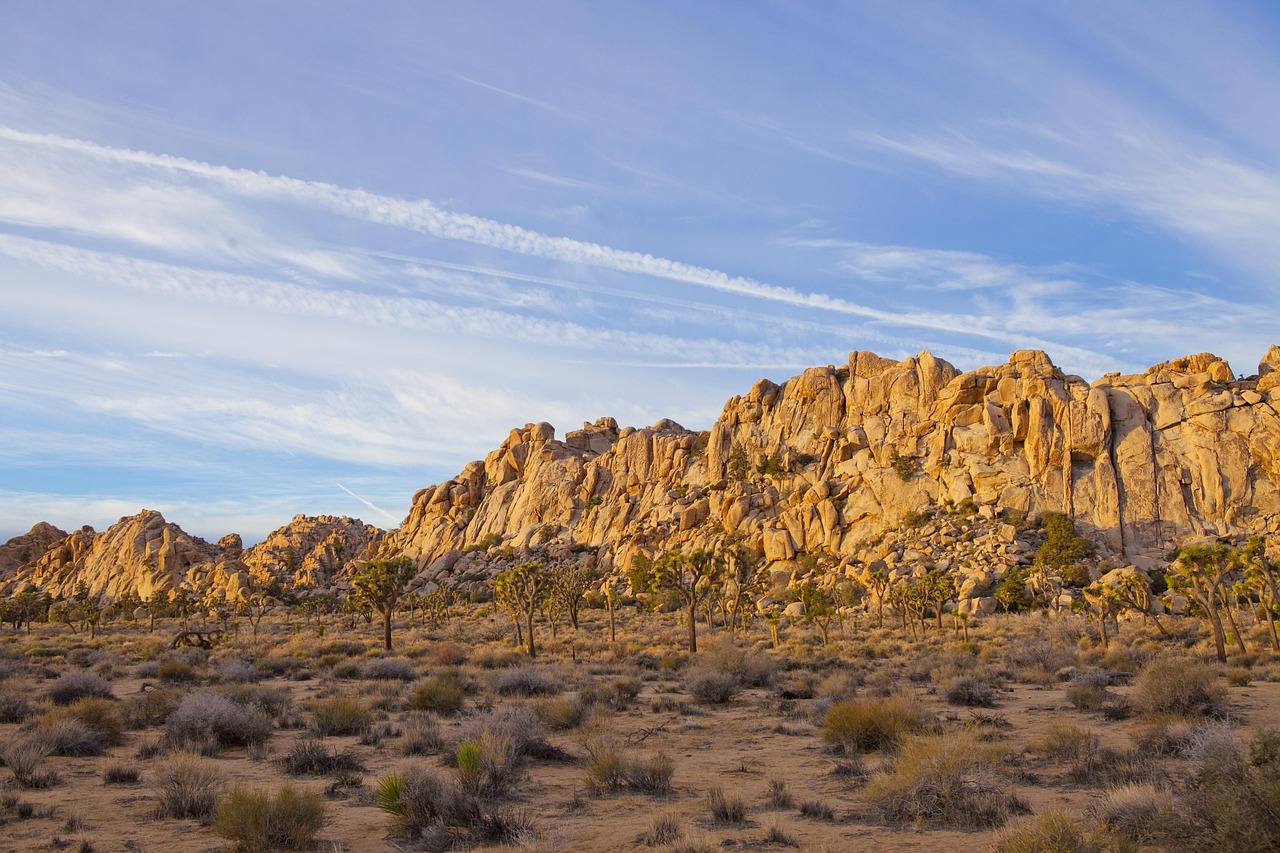
The Enduring Allure of Joshua Tree National Park
Most visitors arrive expecting to see trees, and while the iconic Joshua trees are indeed captivating, the real magic of Joshua Tree National Park lies in its starkly beautiful, otherworldly landscapes. The park offers a surprisingly diverse array of activities that cater to adventurers, nature lovers, and those simply seeking a unique escape.
Last updated: August 3, 2026
- Joshua Tree National Park offers a unique blend of geological wonders, desert flora, and celestial beauty.
- Hiking trails range from easy nature walks to challenging mountain ascents, showcasing varied landscapes.
- Stargazing opportunities are unparalleled due to minimal light pollution, making it a prime destination for astronomy enthusiasts.
- Rock formations like Skull Rock and Jumbo Rocks provide opportunities for exploration and bouldering.
- Visiting during spring or fall offers the most pleasant weather for outdoor activities.
Explore the Distinct Deserts: Mojave and Colorado
Joshua Tree National Park is a unique convergence of two distinct desert ecosystems: the higher elevation Mojave Desert and the lower elevation Colorado Desert. This geological duality creates a fascinating contrast in flora and fauna, offering visitors two worlds to explore within one park.
The Mojave Desert section, characterized by its iconic Joshua trees and cooler temperatures, is home to dramatic rock formations. In contrast, the Colorado Desert, which makes up the southern part of the park, is a more arid environment with creosote bush, Cholula cactus, and palo verde trees.
Understanding these distinct zones helps in planning your visit. For instance, the famed Joshua trees are primarily found in the Mojave section. Exploring both areas provides a complete appreciation for the park’s diverse natural beauty.
<figure class="saap-inline-img" style="margin:20px 
Trek Through Iconic Trails and Nature Walks
Hiking is arguably the quintessential activity in Joshua Tree, with trails catering to every fitness level. The park boasts over 100 miles of hiking opportunities, from short, accessible nature loops to strenuous backcountry treks.
For a gentle introduction, the Hidden Valley Nature Trail is a must-do. This easy, 1-mile loop winds through a scenic area surrounded by massive rock formations, offering glimpses of the park’s geological grandeur. It’s a perfect spot for families and those looking for a leisurely stroll.
Another popular choice is the Barker Dam Nature Trail, a 1.1-mile loop that leads to a historic dam and, if you’re lucky, a desert oasis. In spring, this area can be surprisingly green and may even host desert wildflowers.
For more challenging hikes, consider the Ryan Mountain Trail. This strenuous 3-mile out-and-back trail ascends to one of the park’s highest points, rewarding hikers with breathtaking panoramic views of the surrounding desert and mountains. The ascent is steep but offers incredible vistas that make the effort worthwhile.
Experience signal: When planning longer hikes, remember that shade is scarce. Always carry ample water – at least one gallon per person per day, according to the National Park Service – and be mindful of the desert’s extreme temperatures, especially during summer. Early morning or late afternoon are the best times to hike.
Conquer the Boulders: Rock Formations and Climbing
Enormous granite monoliths punctuats joshua Tree’s landscape, monzonite rock piles, and boulders that have been shaped by millennia of erosion. These geological wonders are not just for viewing; they are playgrounds for climbers and explorers.
Iconic formations like Skull Rock, easily accessible from the main road, offer a unique photo opportunity. Nearby, the Jumbo Rocks area features a maze of giant boulders perfect for scrambling and exploration. Visitors can wander through this surreal landscape, discovering hidden nooks and climbing over formations that look like they belong on another planet.
For those interested in bouldering or rock climbing, Joshua Tree is a world-renowned destination. With thousands of established routes, it attracts climbers from all over. Popular climbing areas include Hidden Valley, Centennial Rocks, and The Blob. Even if you’re not a climber, watching experienced climbers Handle these challenging surfaces is an adventure in itself.
<figure class="saap-inline-img" style="margin:20px 
Witness the Cosmos: Unrivaled Stargazing
One of the most profound experiences at Joshua Tree National Park is witnessing its night sky. Designated as an International Dark Sky Park, Joshua Tree offers some of the most breathtaking stargazing opportunities in the United States, thanks to its remote location and minimal light pollution.
On a clear night, far from city lights, the Milky Way stretches across the sky in a dazzling display. Visitors can easily spot constellations, planets, and even meteor showers. The quiet desert night enhances this celestial spectacle, creating a truly immersive experience.
The National Park Service often hosts ranger-led stargazing programs during peak season. Check the park’s official schedule for dates and times. These programs offer telescopes and expert commentary, enriching the experience for both novice and seasoned astronomers.
Drive Through Desolation: Scenic Routes and Vistas
Scenic roads that offer crisscross joshua Tree National Park stunning views of its unique desert landscape. A leisurely drive can be as rewarding as a strenuous hike, allowing you to absorb the park’s vastness and diverse terrains.
The main park road, connecting the north and south entrances, provides access to most major attractions. Key stops include Cap Rock, Jumbo Rocks, and Skull Rock. Pull over at designated viewpoints to capture the dramatic scenery and the iconic Joshua trees dotting the horizon.
Consider taking a detour onto Gower Mulch Road or exploring the unpaved Ester Dome Road for a more rugged adventure (ensure you have a high-clearance or 4WD vehicle for unpaved sections). These routes offer a different perspective and can lead to less crowded, equally beautiful areas.
Plan your drive to coincide with sunrise or sunset. The desert light during these golden hours casts long shadows, accentuates the rock formations, and bathes the landscape in warm, dramatic hues, creating unforgettable photographic opportunities.
<figure class="saap-inline-img" style="margin:20px 
Uncover History: Mines and Historic Structures
Beyond its natural wonders, Joshua Tree National Park holds remnants of human history, primarily from its mining past. Exploring these sites offers a glimpse into the lives of those who once worked this harsh land.
The Wall Street Mill, a well-preserved gold mill, is accessible via a 2.4-mile round-trip hike from the north entrance. The trail itself is relatively flat and passes through desert scenery, leading to the fascinating remnants of the mill machinery and buildings.
Another significant historical site is the Lost Horse Mine. Accessible via a 4-mile round-trip hike, this former gold mine offers insight into the region’s mining heritage. The mine site is remarkably intact, providing a tangible connection to the past.
Practical Tip: While exploring historic sites, remember that these structures are fragile and protected. Don’t disturb or remove any artifacts. Stay on marked trails to preserve the sites and ensure your own safety.
Encounter Desert Wildlife
Joshua Tree National Park is home to a surprising variety of wildlife that has adapted to the desert environment. While many animals are nocturnal or crepuscular (active at dawn and dusk), there are opportunities for viewing.
Keep an eye out for desert tortoises, mule deer, coyotes, jackrabbits, and various species of lizards. Birdwatchers can spot numerous species, including Gambel’s quail, cactus wrens, and migratory songbirds, especially near the park’s oases or during spring.
Experience signal: The best times for wildlife viewing are early morning and late afternoon. Drive slowly on park roads and scan the desert floor and surrounding vegetation. Remember to maintain a safe distance from all wildlife and never feed them. According to the National Park Service (2023), feeding wildlife can disrupt natural behaviors and negatively impact their health and the park’s ecosystem.
Planning Your Visit: Essential Tips for 2026
To make the most of your trip to Joshua Tree National Park, especially in 2026, a little planning goes a long way. The park is extremely popular, and understanding its nuances will enhance your experience.
Best Time to Visit: Spring (March-May) and Fall (October-November) offer the most pleasant weather, with daytime temperatures ideal for hiking and exploration. Summers (June-September) are intensely hot, with temperatures frequently exceeding 100°F (38°C), making daytime outdoor activities dangerous. Winters (December-February) are mild but can be cold, especially at night.
Park Entrance Fees: As of August 2026, a standard vehicle entrance pass is $30 and is valid for seven days. Consider purchasing an America the Beautiful Pass if you plan to visit multiple national parks within a year, which costs $80 and offers unlimited entry for 12 months.
Getting Around: A personal vehicle is essential for navigating Joshua Tree National Park, as public transportation within the park is non-existent. Roads can become congested, particularly during peak seasons and weekends. Consider visiting on a weekday if possible.
What to Bring: Essential items include plenty of water, high-SPF sunscreen, a wide-brimmed hat, sunglasses, sturdy hiking shoes, layered clothing for temperature fluctuations, and snacks. A first-aid kit is also advisable.
Visitor Centers: Stop by the Joshua Tree Visitor Center or the Cottonwood Visitor Center upon arrival. Park rangers can provide valuable information on current conditions, trail recommendations, and safety guidelines. The National Park Service website is also an invaluable resource for up-to-date park alerts and information.
<figure class="saap-inline-img" style="margin:20px 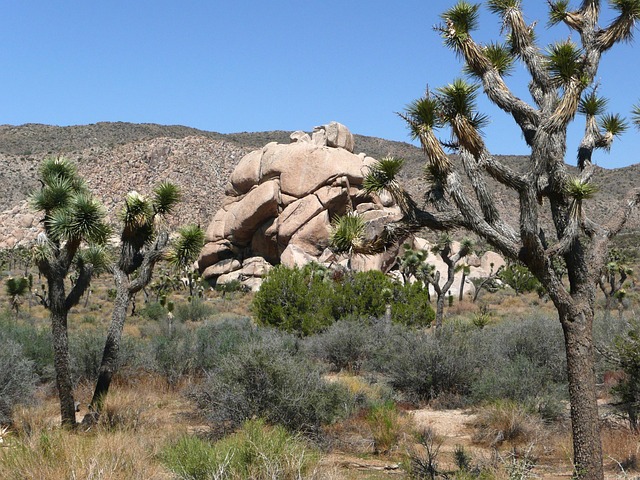
Common Mistakes to Avoid at Joshua Tree
Many visitors make common mistakes that can detract from their experience or even pose safety risks. Being aware of these pitfalls can help you Handle the park more effectively.
Mistake 1: Underestimating the Desert Environment. The desert can be unforgiving. Visitors often underestimate the need for water, sun protection, and appropriate clothing. Always carry more water than you think you’ll need, and check the weather forecast before heading out.
Mistake 2: Visiting During Peak Heat. Summer temperatures in Joshua Tree can be extreme and dangerous. If visiting during summer, limit outdoor activities to early mornings and late evenings, and be aware of heat-related illnesses. Spring and fall are significantly more comfortable.
Mistake 3: Not Staying on Marked Trails. Wandering off-trail can damage fragile desert ecosystems, disturb wildlife, and lead to getting lost among the confusing rock formations. Stick to established paths to protect the park and yourself.
Mistake 4: Failing to Check Park Alerts. Conditions can change rapidly due to weather, road closures, or fire restrictions. Always check the official Joshua Tree National Park website or stop by a visitor center for the latest updates before and during your visit.
Frequently Asked Questions
What is the most iconic thing to do in Joshua Tree?
The most iconic activity is exploring the unique Joshua trees themselves and marveling at the massive rock formations like Skull Rock and Jumbo Rocks. Hiking through these areas and taking in the surreal desert landscape is a quintessential Joshua Tree experience.
Is Joshua Tree National Park worth visiting?
Absolutely. Joshua Tree National Park offers a visually stunning and unique desert landscape unlike any other, with opportunities for hiking, rock climbing, stargazing, and photography that make it a highly rewarding destination.
How many days are recommended for Joshua Tree?
For a good overview of the park’s main attractions and a few short hikes, 2–3 days are typically recommended. Things to do at joshua national park allows time to explore both the Mojave and Colorado Desert sections and enjoy activities like stargazing.
What is the best time of year to visit Joshua Tree?
The best times to visit are spring (March to May) and fall (October to November). These seasons offer mild temperatures ideal for outdoor activities, while summer is extremely hot and winter can be cool.
Can you camp in Joshua Tree National Park?
Yes, camping is available at several campgrounds within the park, including Jumbo Rocks, Hidden Valley, and Cottonwood. Reservations are often required, especially during peak seasons, so check the NPS website for details.
Are there dangerous animals in Joshua Tree?
While wildlife exists, serious encounters are rare. Rattlesnakes, scorpions, and coyotes are present, but they generally avoid humans. The primary danger is the desert environment itself, from heat to rugged terrain. Always maintain awareness and distance.
Information current as of August 2026; pricing and product details may change. Knowing how to address things to do at joshua national park early makes the rest of your plan easier to keep on track.
Related read: Things to Do in Raleigh: Your Insider's Guide.
Related read: Things to Do in Vail Colorado: Avoid Common Tourist Traps
Related read: Best Places to Visit in Croatia: Your 2026 Guide.