
 By Rameen
Why Quebec City is More Than a Pretty Picture
Most visitors arrive expecting a postcard, and Quebec City certainly delivers on charm. Yet, beyond the iconic Château Frontenac and cobblestone streets of Old Quebec, lies a vibrant city with layers of history, culture, and experiences that often go unexplored. This guide cuts through the tourist gloss to reveal the truly engaging things to do in Quebec City for 2026.
Last updated: July 31, 2026
While many guides focus on ticking off landmarks, the real magic of Quebec City unfolds when you immerse yourself in its distinct French-Canadian heritage, explore its burgeoning culinary scene, and venture slightly off the well-trodden path. Understanding the city’s unique rhythm, from its seasonal festivals to its local hangouts, transforms a brief visit into a memorable journey.
Key Takeaways
- Old Quebec is a UNESCO World Heritage site offering unparalleled historical immersion.
- Montmorency Falls provides a dramatic natural spectacle just outside the city.
- Île d’Orléans is a charming escape for local produce and artisanal products.
- The Citadelle offers a deep dive into Quebec City’s military history.
- Experiencing Quebec’s unique culinary scene is essential for any visitor.
Exploring the Historic Heart: Old Quebec
Old Quebec, a UNESCO World Heritage site, is the undeniable core of any visit. Its Upper Town and Lower Town offer distinct experiences, each brimming with history. Walking through its streets feels like stepping back centuries, with fortifications, historic buildings, and charming squares around every corner. It’s essential to allow ample time to simply wander; the true discoveries often happen unexpectedly.
In the Upper Town, the iconic Château Frontenac stands as a majestic landmark. The Dufferin Terrace, extending from the Château, offers panoramic views of the St. Lawrence River and Lower Town. Down in the Lower Town, the Quartier Petit Champlain is renowned for its picturesque, narrow streets, artisan boutiques, and vibrant atmosphere. Place Royale, the historic square where Samuel de Champlain founded the city in 1608, is a must-see.
<figure class="saap-inline-img" style="margin:20px 
A practical insight for exploring Old Quebec is to wear comfortable shoes. The cobblestone streets and hills can be challenging, especially for extended walking tours. Consider joining a guided walking tour for deeper historical context; local guides often share anecdotes and insights not found in guidebooks.
A Natural Wonder: Montmorency Falls
Just a short drive or bus ride from the city center, Montmorency Falls Park offers a breathtaking natural spectacle. The waterfall is 83 meters high, significantly taller than Niagara Falls, and provides a dramatic contrast to the urban charm of Quebec City. The sheer power and beauty of the falls are impressive, especially when viewed from the various platforms and the suspension bridge.
You can reach the top of the falls via a scenic cable car ride, which offers stunning views along the way. Once at the top, you can walk across the bridge, admire the view from the observation deck, or even follow trails along the cliff edge. For the adventurous, a zipline offers an exhilarating way to descend. The park also features a historic manor and picnic areas, making it a perfect half-day excursion.
Practical Tip: Visit during the summer months for the full experience, including illuminated falls and fireworks on select evenings. In winter, the falls can freeze, creating an impressive ice cone that attracts climbers.
Culinary Adventures: From Local Markets to Fine Dining
Quebec City’s food scene is a delightful fusion of French tradition and North American innovation. Exploring its culinary offerings is one of the most rewarding things to do. Start with a visit to a local market like Marché duViewportt, where you can sample regional products, from artisanal cheeses to maple treats and fresh produce.
Don’t miss out on quintessential Québécois dishes. Poutine, of course, is a must-try, but also seek out tourtière (meat pie), cretons (pork spread), and maple-infused desserts. For a more elevated experience, Quebec City boasts a growing number of fine-dining restaurants that showcase local ingredients with creative flair. Consider a dedicated food tour to get an expert’s curated selection of the best tastes the city has to offer.
<figure class="saap-inline-img" style="margin:20px 
Island Escape: Île d’Orléans
Just a short drive across the bridge from the mainland, Île d’Orléans offers a tranquil retreat into rural Quebec. This picturesque island is a haven for agro-tourism, renowned for its fruit orchards, vineyards, cideries, and artisanal food producers. Driving the scenic Route du President-Kennedyy around the island is a delightful experience in itself.
During the summer and fall, you can pick your own strawberries, apples, or berries at various farms. Sample local wines, ciders, and cheeses, or pick up freshly baked bread and pastries. The island’s historic homes and quaint villages add to its charm, making it a perfect destination for a leisurely afternoon. It provides a refreshing perspective on Quebec life outside the bustling city.
Consideration: While accessible by car or tour, renting a bicycle can be a fantastic way to explore Île d’Orléans at your own pace, especially for shorter distances between attractions. Ensure you check farm opening hours, as they can vary seasonally.
Military History: The Citadelle and Plains of Abraham
For a deep dive into Quebec City’s military past, the Citadelle of Quebec is an essential visit. This active military installation, shaped like a star, is one of the largest British-built fortresses in North America and the official residence of the Governor General of Canada and the Prime Minister. Guided tours are available and highly recommended understanding its strategic importance and history.
Adjacent to the Citadelle are the Plains of Abraham, a vast urban park that was once the site of a key 1759 battle between the British and French. Today, it’s a beloved green space for locals, offering walking paths, historical interpretations, and beautiful views. During the summer, you can witness the Changing of the Guard ceremony at the Citadelle, a colorful display of tradition.
Historical Context: The Plains of Abraham represent a turning point in Canadian history, marking the end of French rule in North America. Understanding this context enriches the appreciation of both the park and the Citadelle.
<figure class="saap-inline-img" style="margin:20px 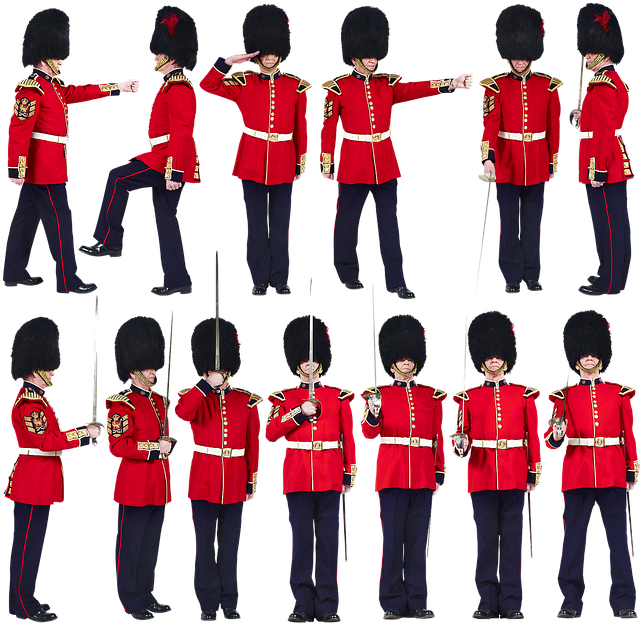
Seasonal Events and Festivals
Quebec City truly comes alive with its numerous festivals and seasonal events. In winter, the Quebec Winter Carnival is world-famous, transforming the city into a winter wonderland with ice sculptures, parades, and the iconic Bonhomme Carnaval. It’s a unique experience that showcases the resilience and festive spirit of Québécois culture.
Summer brings a host of events, including the Quebec City Summer Festival, one of Canada’s largest music festivals, and various historical reenactments and cultural celebrations. Autumn offers stunning foliage, making it an ideal time for scenic drives and exploring the surrounding landscapes. Each season offers a different flavor and set of activities, making Quebec City a year-round destination.
Day Trips and Excursions
Beyond the city limits, several worthwhile excursions offer a broader perspective of the region. The ferry to Lévis provides a fantastic, inexpensive way to see the Quebec City skyline from across the St. Lawrence River, especially at sunset. It’s a simple journey that offers a surprisingly rewarding photographic opportunity.
For nature lovers, Jacques-Cartier National Park, about a 30-minute drive north, offers spectacular glacial valleys, hiking trails, and opportunities for canoeing or kayaking on the river. Its pristine wilderness is a stark contrast to the historic urban environment and a must for outdoor enthusiasts. The park is particularly stunning during the autumn colors.
Traveler’s Note: Public transport to Jacques-Cartier National Park is limited. Renting a car or booking a guided tour is the most practical way to access it, especially if you plan to explore beyond the main visitor areas.
Embracing the Local Culture
To truly experience Quebec City, engage with its unique culture. Learn a few basic French phrases; while many in tourist areas speak English, a little French is always appreciated and opens doors to more genuine interactions. Visit the Maison de la Literaturee or attend a performance at the Grand Theaterre de Québec to experience local arts and literature.
Explore neighborhoods beyond Old Quebec, such as Saint-Roch, which has transformed into a trendy hub with independent boutiques, cafés, and restaurants, or Montcalm, known for its upscale shops and residential feel. These areas offer a glimpse into the daily lives of Quebecers and a less tourist-centric view of the city.
Cultural Insight: Quebec City’s identity is deeply rooted in its French heritage, which influences everything from language and cuisine to architecture and social customs. Embracing this distinctiveness is key to understanding and enjoying the city.
What is the best time of year to visit Quebec City?
The best time to visit Quebec City depends on your interests. Summer (June-August) offers pleasant weather for exploring outdoors and vibrant festivals. Autumn (September-October) boasts stunning fall foliage and fewer crowds. Winter (December-March) is magical for its snow-covered landscapes and the Winter Carnival, though very cold. Spring (April-May) is transitional with fewer tourists but can be cool and wet.
How many days are recommended for a trip to Quebec City?
A minimum of two to three full days is recommended to experience the highlights of Quebec City, particularly Old Quebec and a nearby attraction like Montmorency Falls. For a more in-depth exploration, including day trips and a relaxed pace, four to five days would be ideal.
Are things to do in Quebec City expensive?
Quebec City offers a range of activities to suit different budgets. While attractions like the Château Frontenac and some fine dining can be pricey, many historical sites, walking tours of Old Quebec, and exploring neighborhoods are affordable or free. Day trips and guided tours vary in cost, but budget-friendly options like the ferry to Lévis are readily available.
What is the most iconic landmark in Quebec City?
The most iconic landmark is undoubtedly the Fairmont Le Château Frontenac, a grand hotel that dominates the skyline and serves as a symbol of the city. Its majestic presence and historical significance make it a focal point for visitors and photographers alike.
Can you walk around Quebec City easily?
Yes, Quebec City is very walkable, especially within Old Quebec. However, be prepared for hills and cobblestone streets, which can be challenging. Comfortable footwear is essential. Public transport and taxis are also available for longer distances or when navigating between different neighborhoods.
What French-Canadian food should I try in Quebec City?
Essential French-Canadian foods to try to include poutine (fries with cheese curds and gravy), tourtière savoury meatt pie), cretons (a pork spread often served at breakfast), and maple taffy (sugar pie). Don’t forget to sample local cheeses and enjoy the city’s excellent boulangeries and pâtisseries.
Are there good day trips from Quebec City?
Absolutely. Popular day trips include Montmorency Falls for its stunning natural beauty, Île d’Orléans for its charming rural atmosphere and local produce, and Jacques-Cartier National Park for outdoor adventures and wilderness. The ferry to Lévis also offers a short, scenic excursion with great city views.
Quebec City offers a rich mix of experiences that go far beyond the surface. By immersing yourself in its storied past, savoring its unique flavors, and exploring its natural surroundings, you’ll discover a destination that captivates the senses and leaves a lasting impression. Plan your visit to embrace the city’s authentic charm and create your own unforgettable memories in 2026.
Information current as of July 2026; pricing and product details may change. Knowing how to address things to do in quebec city early makes the rest of your plan easier to keep on track.
Related read: Osaka's Vibrant Charm: Top Things to Do in 2026.
Related read: Sardinia Beaches: Your Guide to the Island's Most Stunning Shores
Related read: Best Places to Visit in Croatia: Your 2026 Guide.