
 By Rameen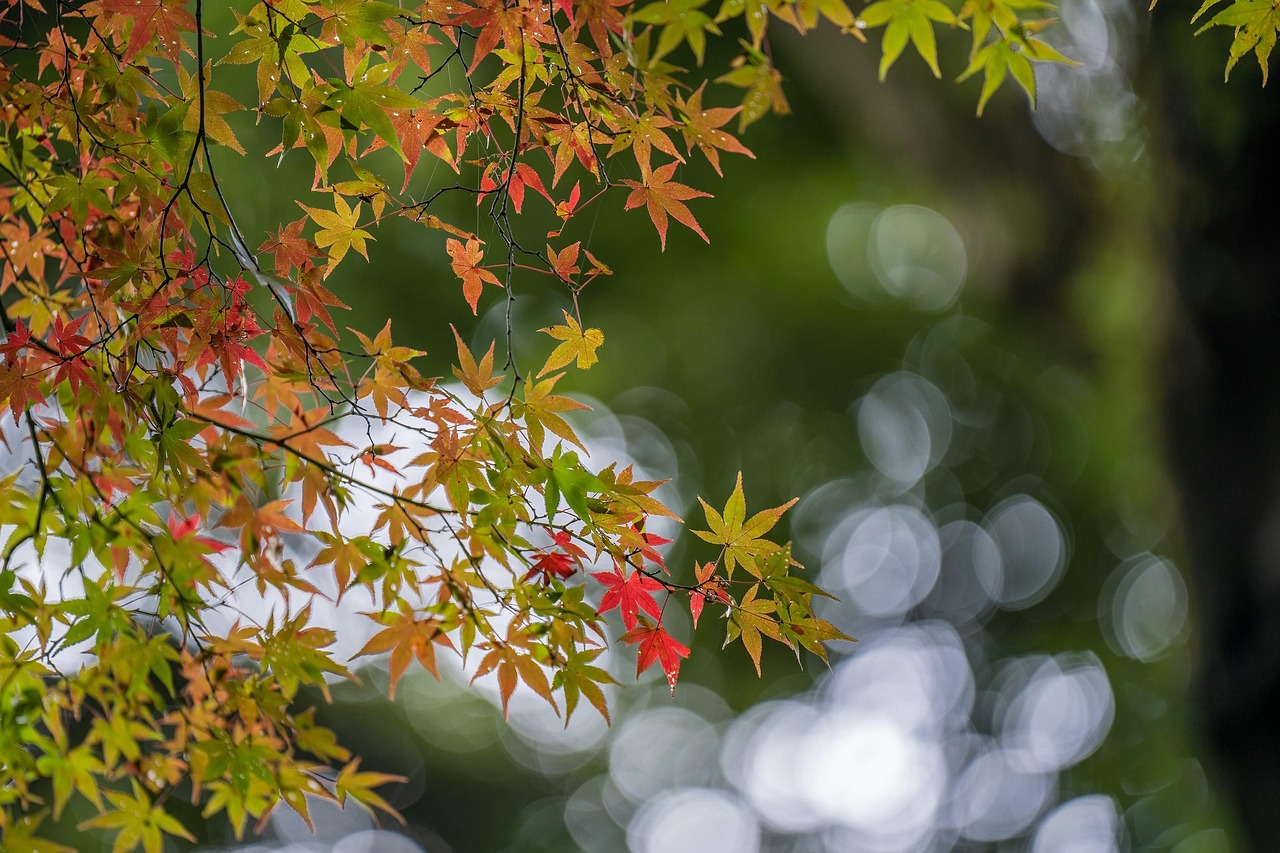
When Is the Best Time to Visit Japan?
Deciding the best time to visit Japan in 2026 hinges on a delicate balance: maximizing the country’s breathtaking beauty and rich culture while minimizing costs and crowds. While iconic seasons like cherry blossom spring and vibrant autumn foliage draw millions, they also bring peak prices and packed attractions. This guide focuses on strategic timing to help budget-conscious travelers discover Japan’s allure without breaking the bank.
Last updated: July 25, 2026
Most travelers focus on the postcard-perfect spring and autumn periods, often overlooking the significant value and unique experiences available during other times of the year. By understanding Japan’s distinct seasons and regional variations, you can craft an unforgettable itinerary that aligns with your financial goals.
Key Takeaways
- Spring (March-May) and Autumn (September-November) offer pleasant weather but are peak seasons with higher costs and crowds.
- Winter (December-February) is the cheapest time to visit, offering unique snowy landscapes and fewer tourists.
- The shoulder seasons—late spring (May-early June) and early autumn (September)—provide a good balance of weather and value.
- Rainy season (June-July) and typhoon season (late August-October) present budget opportunities with careful planning.
- Regional differences mean shoulder and off-peak times can vary, offering pockets of value year-round.
Japan’s Seasons: A Strategic Breakdown for Value
Japan experiences four distinct seasons, each offering a unique palette of experiences and affecting travel costs significantly. Understanding these nuances is key to planning a cost-effective trip.
Spring: The Iconic but Costly Bloom (March-May)
Japan’s spring is undeniably beautiful, heralded by the ephemeral beauty of cherry blossoms (sakura). This period, particularly late March to mid-April, sees the country awash in delicate pink and white blooms. However, this visual spectacle also marks the peak tourist season. Expect flights and accommodation prices to surge, and major attractions, especially in popular cities like Tokyo and Kyoto, to be exceptionally crowded. According to Japan Highlights (2026), 98.8% of visitors consider spring the best time for weather, but it often comes with a premium price tag.
For those prioritizing the cherry blossom experience, visiting in early May, after the main sakura season has passed in many regions, can sometimes offer a slight reprieve in crowds and prices, especially in northern Japan or mountainous areas where blossoms bloom later.
Summer: Festivals, Heat, and Humidity (June-August)
Summer in Japan, from June through August, is characterized by high temperatures and humidity, particularly in July and August. This is also the season for vibrant local festivals (matsuri), lively fireworks displays, and the famous Koshien baseball tournament. While the weather can be challenging, it’s a fantastic time to experience Japanese culture firsthand. Because it’s not the peak season for international tourism due to the heat, you can often find more reasonable prices for flights and accommodation compared to spring or autumn. For instance, SoraNews24 (2026) highlighted eight Japanese words for enjoying summer, emphasizing its unique cultural offerings.
The Rainy Season (Tsuyu) and Typhoon Season (June-October)
Japan’s rainy season, known as ‘tsuyu,’ typically runs from early June to mid-July. While this might deter some travelers, it’s an excellent opportunity for budget-conscious visitors. Accommodation and flight deals can be more prevalent, and the rain often comes in short, intense bursts followed by clear periods, allowing for sightseeing. The lush green landscapes are particularly vibrant during this time. Careful planning with waterproof gear and indoor activity options is essential.
Following the rainy season, late August through October brings the risk of typhoons. While disruptive if directly hit, typhoons are often seasonal and localized. Traveling outside of direct typhoon paths can still offer a chance for lower prices and fewer tourists, especially in September. The Japan Meteorological Agency (2026) provides real-time typhoon tracking and forecasts, which are crucial for planning around this season.
Autumn: A Second Peak Season (September-November)
Autumn is often cited as another ideal time to visit Japan, thanks to its pleasant temperatures and stunning fall foliage (koyo). Similar to spring, the vibrant red, orange, and yellow hues paint the landscapes, making it a visually spectacular period. However, this beauty also attracts significant crowds and drives up travel expenses, particularly from mid-October to late November. If your heart is set on autumn colors, consider visiting in early September when foliage begins to appear in cooler, northern regions like Hokkaido, or late November when the peak has passed in southern areas.
Winter: The Underrated Budget Gem (December-February)
Winter in Japan (December to February) is often overlooked by international tourists, making it the prime season for budget travelers. While temperatures drop, and snow blankets many parts of the country, this ‘off-peak’ period offers unique attractions. Ski resorts in Hokkaido and Nagano are in full swing, and cities like Tokyo and Kyoto are beautifully illuminated with winter illuminations. Prices for flights and accommodation are at their lowest, and you’ll encounter significantly fewer crowds at major attractions. The Standard Japan (2026) notes winter as an ‘underrated and underpriced’ time to visit.
Experiencing the snow festivals in Hokkaido, such as the Sapporo Snow Festival (typically in February), is a major draw, but even without these events, winter provides a serene and authentic Japanese experience at a fraction of the cost of peak seasons.
Regional Variations: Finding Your Sweet Spot
Japan’s archipelago spans a vast north-south distance, meaning weather and seasonal highlights vary considerably by region. This geographical diversity presents opportunities to find the best time to visit Japan, even within the less popular seasons.
Hokkaido and Northern Japan
Hokkaido, the northernmost main island, experiences a longer and colder winter, with heavy snowfall from December to March. This makes it ideal for winter sports. Spring arrives late, with cherry blossoms typically blooming in late April to early May. Summers are relatively mild and pleasant, making it a great escape from the heat of central Japan. Autumn foliage here starts early, often in September.
Central Japan (Tokyo, Kyoto, Osaka)
This is the most popular tourist corridor and experiences the classic four-season cycle. Cherry blossoms peak from late March to early April, and autumn foliage from mid-October to late November. Summer is hot and humid, with the rainy season in June-July. Winter is cold but generally less severe than in Hokkaido.
Southern Japan (Including Okinawa)
Further south, the climate becomes subtropical. Okinawa, for example, has a much warmer climate, with cherry blossoms blooming as early as January and March. Summers are hot and humid, with a higher risk of typhoons extending into October. Winter is mild, making it an attractive destination for those seeking warmth during the colder months in other parts of Japan. This region offers a unique travel opportunity outside the typical peak seasons.
Aligning Your Visit with Activities and Events
Your interests will significantly influence the best time to visit Japan. While weather is a primary concern, aligning your trip with specific events or activities can enhance your experience, even if it means navigating slightly more crowds or higher prices.
Maximizing Value During Festivals
Japan hosts thousands of festivals (matsuri) throughout the year. Summer is particularly rich with vibrant local festivals and spectacular fireworks displays. While these can coincide with hotter weather, they offer unparalleled cultural immersion. The key to budget travel during festival seasons is booking flights and accommodation well in advance, as demand spikes can occur even outside of the absolute peak months. Japan Activity (2026) suggests that 60% of travelers plan trips around specific festivals.
Outdoor Adventures and Sports
For hiking and outdoor activities, spring and autumn offer the most comfortable temperatures. However, if you’re interested in skiing or snowboarding, winter (December-March) is your only option. Early summer (May-June) before the heaviest rains can also be excellent for outdoor pursuits in certain regions.
Cultural Immersion and Museums
Museums, temples, and indoor cultural experiences are accessible year-round. Visiting during the off-peak winter months allows for more leisurely exploration of these sites without the rush of crowds. Rainy days, common during June and July, are perfect for diving into Japan’s rich artistic and historical offerings.
Common Mistakes to Avoid When Planning Your Trip
Several common missteps can derail a budget-conscious traveler’s plans. Being aware of these pitfalls can help you secure the best value and experience.
Booking Too Late
The single biggest mistake is waiting too long to book flights and accommodation, especially if you’re targeting popular periods like cherry blossom season or autumn foliage. Prices can skyrocket, and the best deals disappear. As of July 2026, booking at least six months in advance is highly recommended for peak seasons, and 3–4 months for shoulder or off-peak times.
Ignoring Regional Differences
Assuming the ‘best time’ for Tokyo applies to all of Japan is a mistake. Northern Japan’s peak foliage is in September, while southern regions might still be experiencing summer heat. Planning your itinerary based on regional seasonal peaks can unlock better weather and prices.
Underestimating Japanese Holidays
Golden Week (late April to early May) and Obon (mid-August) are major domestic travel periods. Prices soar, and transport becomes extremely crowded. While these are not international peak seasons, they can significantly impact travel within Japan and should be avoided if budget and crowd avoidance are priorities.
Not Factoring in Transportation Costs
While accommodation and flights might be manageable, Japan’s excellent rail network, particularly the Shinkansen (bullet train), can be expensive. Consider purchasing a Japan Rail Pass if you plan extensive inter-city travel within a short period, but carefully calculate if it’s cost-effective for your specific itinerary, as prices have increased. Alternatively, exploring regional passes or overnight buses can offer savings.
Expert Tips for Traveling Japan on a Budget
Beyond timing, several practical strategies can ensure your trip to Japan in 2026 is both memorable and affordable.
Embrace the Shoulder and Off-Peak Seasons
Late spring (May-early June) and early autumn (September) offer a fantastic compromise. You’ll often find pleasant weather with fewer crowds than the absolute peak months. Winter, despite the cold, offers the lowest prices and a unique, serene travel experience. According to Japan Travel (2026), May and early June are considered a “best-kept secret” for good reason.
Use E-SIMs and Local Transport
Instead of expensive pocket Wi-Fi rentals, opt for an e-SIM for your smartphone. Airalo offers competitive data plans for Japan. For getting around cities, use the efficient local subway and bus systems. For inter-city travel, investigate regional rail passes or overnight buses if the JR Pass doesn’t make financial sense for your itinerary.
Opt for Budget-Friendly Accommodations
Hostels, capsule hotels, and business hotels offer clean, safe, and affordable lodging. Consider Airbnb or guesthouses (minshuku) for a more local experience and potential cost savings, especially for longer stays. Booking in advance is crucial, even for budget options.
Eat Like a Local
Dining can be a significant expense, but Japan offers incredible culinary experiences at all price points. Explore local ramen shops, conveyor belt sushi restaurants (kaiten-zushi), convenience store meals (konbini), and department store food halls (detaching) for delicious and affordable options. These eateries are often frequented by locals, providing an authentic taste of Japan.
Frequently Asked Questions
What is the cheapest month to visit Japan?
Generally, January and February are the cheapest months to visit Japan. Aside from the popular Sapporo Snow Festival in February, these winter months see the lowest demand for flights and accommodation, offering significant savings.
Is it worth visiting Japan during the rainy season?
Yes, visiting Japan during the rainy season (June-July) can be worthwhile for budget travelers. Prices are lower, and while rain is frequent, it often occurs in short bursts, allowing for sightseeing between showers and enjoying the lush scenery.
When is the best time to visit Japan for cherry blossoms on a budget?
Visiting Japan for cherry blossoms on a budget is challenging, as it’s peak season. Your best bet is to book flights and accommodation extremely far in advance (9–12 months) or consider visiting the very end of the official sakura season in early May, which might catch late-blooming varieties in cooler regions.
When should I avoid visiting Japan to save money?
You should avoid Japan during Golden Week (late April-early May), Obon (mid-August), and the peak cherry blossom (late March-early April) and autumn foliage (mid-October-late November) periods if saving money is your priority. These times see the highest prices and largest crowds.
Can I see Mount Fuji in winter?
Yes, winter often offers the clearest skies and best visibility for viewing Mount Fuji from areas like Hakone or the Fuji Five Lakes region. Snow dusting its peak adds to its iconic beauty, and fewer tourists make the experience more serene.
Are there good travel deals in Japan during typhoon season?
While typhoon season (late August-October) carries a risk, September can present good travel deals. If you monitor weather forecasts closely and remain flexible, you can often find lower prices and fewer crowds, provided you avoid direct typhoon impacts.
Plan Your Value-Driven Japan Adventure
The best time to visit Japan in 2026 for a budget-conscious traveler is not necessarily the most picturesque season. By strategically choosing the shoulder seasons, embracing winter, understanding regional differences, and planning meticulously, you can experience the full spectrum of Japan’s wonders without overspending. Consider late spring or early autumn for a balance of good weather and value, or brave the winter for the deepest discounts and a more tranquil journey.
Information current as of July 2026; pricing and product details may change. Knowing how to address best time to visit Japan early makes the rest of your plan easier to keep on track.
Related read: Croatia Beaches: Your Guide to the Adriatic's Sunniest Spots.


