 By Rameen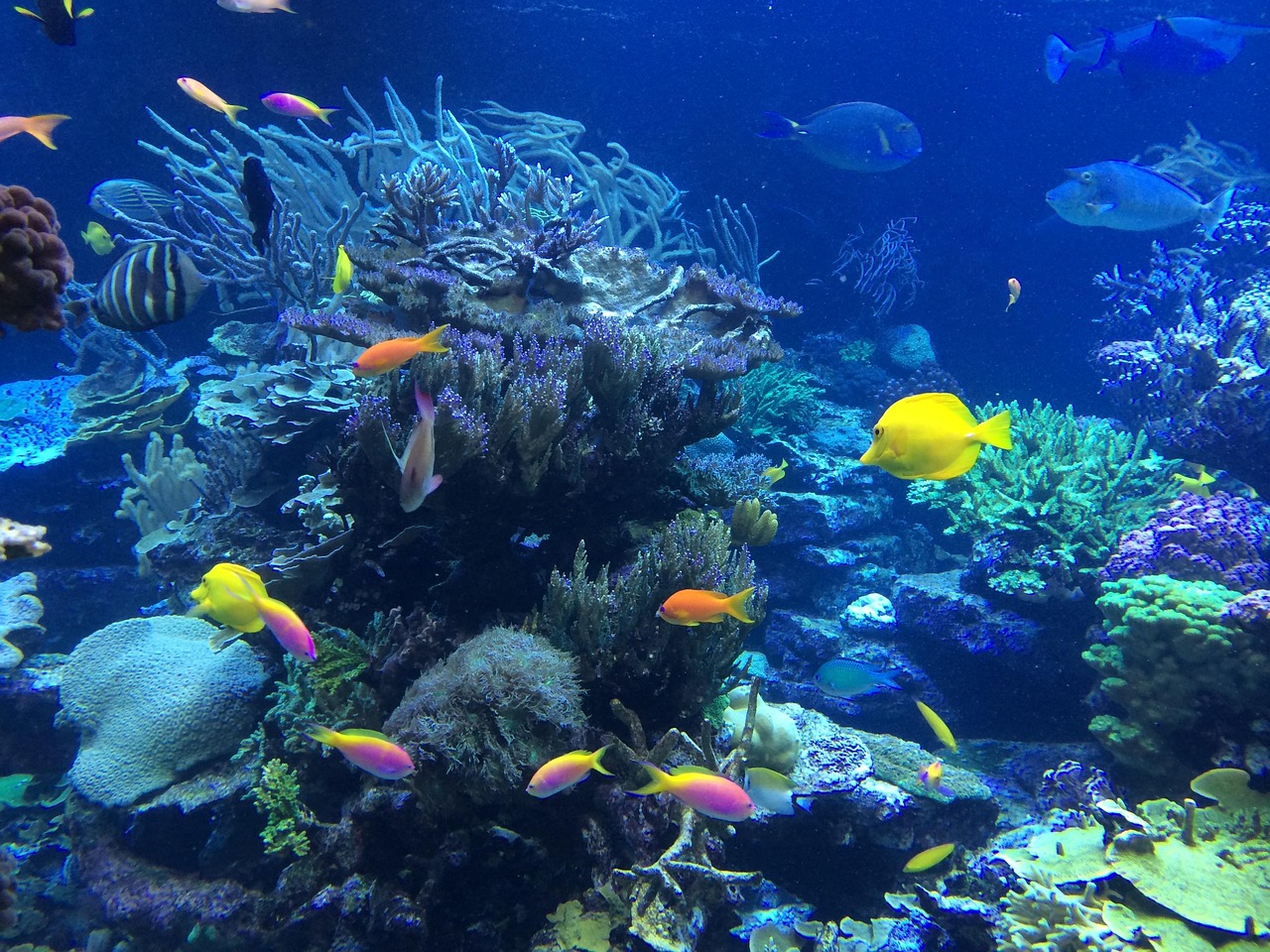
Dive into Wonder: Your Guide to the Best Places to Snorkel in 2026
As of July 2026, the allure of gliding through crystal-clear waters, surrounded by a kaleidoscope of marine life, continues to draw adventurers to the planet’s most spectacular underwater realms. Snorkeling offers an accessible gateway to the ocean’s magic, requiring little more than a mask, snorkel,, and fins to unlock breathtaking biodiversity. From the famed coral gardens of Southeast Asia to the protected marine parks of the Caribbean, choosing the right location can transform a good trip into an extraordinary one.
Last updated: July 24, 2026
This guide navigates the globe to pinpoint the best places to snorkel, focusing on destinations that offer exceptional visibility, abundant and diverse marine ecosystems, and memorable encounters. We’ll explore locations known for their vibrant coral formations, playful sea turtles, schools of tropical fish, and even larger pelagic species, providing insights for both novice snorkelers and seasoned underwater enthusiasts seeking their next great adventure.
Key Takeaways
- Raja Ampat, Indonesia, offers unparalleled marine biodiversity and is a top choice for serious snorkelers.
- Dominica, known as the ‘Nature Island,’ provides unique opportunities for snorkeling with sperm whales and exploring vibrant reefs.
- Bonaire consistently ranks high due to its well-preserved fringing reefs and accessible shore diving/snorkeling.
- The Maldives present luxurious island resorts with direct access to stunning coral gardens and abundant fish life.
- Florida’s Dry Tortugas National Park offers historical shipwrecks and diverse marine ecosystems within a protected marine environment.
Indonesia’s Marine Treasure: Raja Ampat
For snorkelers prioritising sheer biodiversity, Raja Ampat in Indonesia stands as a pinnacle destination. This archipelago, situated in the heart of the Coral Triangle, boasts an estimated 75% of the world’s coral species and over 1,300 species of fish. The underwater landscapes here are a vibrant spectacle, with healthy, colorful coral formations stretching as far as the eye can see.
Practically speaking, access to Raja Ampat typically involves liveaboard boats or remote island resorts, which can make it a more significant investment. However, the reward is an immersion in an ecosystem largely untouched by mass tourism. Expect to encounter everything from tiny pygmy seahorses and nudibranchs to majestic manta rays and reef sharks. According to a 2026 report by the Coral Reef Alliance, Raja Ampat’s remote location and strong conservation efforts have been critical in maintaining its exceptional reef health.
Dominica: Nature’s Underwater Playground
Often referred to as the ‘Nature Island’ of the Caribbean, Dominica offers a unique blend of lush terrestrial beauty and remarkable underwater environments. Its mountainous terrain means that many of its prime snorkeling spots are easily accessible from shore or a short boat ride away. The island is renowned for its marine reserves, which protect a wealth of sea life.
One of Dominica’s most extraordinary offerings is the chance to snorkel with sperm whales in the world’s first sperm whale reserve, a 300-square-mile protected area. Beyond these giants, snorkelers can explore vibrant coral walls, encounter numerous species of sea turtles, and observe a dazzling array of tropical fish. The Champagne Reef, named for the volcanic vents that release bubbles from the seabed, provides a naturally effervescent snorkeling experience unlike any other. The Marine Conservation Society highlights Dominica’s commitment to protecting these waters, ensuring their vitality for years to come.
Bonaire: A Diver’s and Snorkeler’s Paradise
The island of Bonaire, located in the southern Caribbean, has long been lauded for its commitment to marine conservation. The entire coastline is designated as a marine park, with strict regulations in place to protect its fringing reefs. This dedication has resulted in some of the most pristine and accessible underwater ecosystems in the Caribbean, making it an ideal destination for snorkelers of all levels.
What sets Bonaire apart is the ease with which one can access its reefs. Many of the best snorkeling sites are reachable directly from shore, often just steps from your accommodation. Colour-coded markers indicate the entry points for 60+ designated dive and snorkel sites, with maps readily available. Expect to see parrotfish, angelfish, triggerfish, and often hawksbill and green sea turtles foraging amongst the healthy corals. According to the Bonaire National Marine Park, visitor fees collected directly support conservation efforts, a model that has proven highly effective in maintaining reef health as of July 2026.
The Maldives: Luxury Meets Marine Wonder
The Maldives, an archipelago nation in the Indian Ocean, is synonymous with luxury resorts and overwater bungalows. Yet, beneath its idyllic surface lies an underwater world that rivals any on the planet. Each island resort often boasts its own house reef, providing immediate access to vibrant coral gardens teeming with life.
Snorkeling in the Maldives offers a chance to see an incredible variety of marine life, from colorful clownfish darting through anemones to graceful manta rays and even whale sharks, depending on the season and atoll. Many resorts offer guided snorkeling excursions to nearby reefs and channels, maximizing the chances of encountering larger species. The clarity of the water is often exceptional, providing fantastic visibility for photography. While the Maldives can be an expensive destination, the sheer accessibility and quality of its snorkeling experiences justify its reputation as a premier global destination.
Florida Keys, USA: National Parks and Reefs
The Florida Keys, a chain of tropical islands stretching off the southern tip of Florida, presents a fantastic option for snorkelers seeking vibrant marine life closer to home. This region is home to the third-largest coral reef system in the world, the Florida Reef Tract, offering diverse underwater ecosystems.
Dry Tortugas National Park, located about 70 miles west of Key West, is a must-visit. Accessible only by ferry or seaplane, this remote park protects seven islands and surrounding waters, including extensive coral reefs and historic shipwrecks. Snorkeling here means encountering diverse fish populations, sea turtles, and the impressive coral formations that thrive within the protected waters. John Pennekamp Coral Reef State Park in Key Largo was the first underwater park established in the U.S. and features a famous submerged statue, Christ of the Abyss, surrounded by marine life. Both locations are managed to ensure the health of their delicate ecosystems, providing excellent snorkeling opportunities that are relatively accessible.
Belize Barrier Reef: Aquatic Wonders
The Belize Barrier Reef, a UNESCO World Heritage site, is the second-largest barrier reef system in the world and a UNESCO World Heritage site. This natural wonder stretches for over 190 miles along the coast of Belize and is an absolute must-see for any serious snorkeler.
The Belize Barrier Reef is renowned for its exceptional marine biodiversity, including over 400 species of coral and more than 500 species of fish. Iconic spots like the Great Blue Hole, while more famous for diving, are part of this vast reef system. For snorkeling, popular destinations include Hol Chan Marine Reserve and Shark Ray Alley, where encounters with nurse sharks, stingrays, and a multitude of reef fish are virtually guaranteed. The conservation efforts in Belize have helped maintain the reef’s health, making it a prime location for underwater exploration. According to the Belize Audubon Society, responsible tourism and marine protected areas are key to preserving this incredible natural asset.
Hawaii, USA: Volcanic Landscapes and Marine Life
The Hawaiian Islands offer a unique snorkeling experience, combining volcanic underwater topography with a distinct endemic marine population. Each island provides different snorkeling opportunities, from calm bays to more exposed coastal areas.
Hanauma Bay Nature Preserve on Oahu is one of Hawaii’s most famous snorkeling spots. This volcanic crater, now a protected marine life conservation area, features a shallow, crescent-shaped bay teeming with colorful fish. Due to its popularity, reservations are often required, and visitor numbers are managed to protect the reef. Other notable spots include Molokai Crater, a partially submerged volcanic caldera off Maui, which boasts incredible water clarity and a thriving reef ecosystem. On the Big Island, Kealakekua Bay offers excellent snorkeling with resident spinner dolphins and abundant coral. The Department of Land and Natural Resources in Hawaii emphasizes strict adherence to reef-safe practices and visitor guidelines to preserve these precious marine environments.
Fiji: The ‘Soft Coral Capital’
Known as the ‘Soft Coral Capital of the World,’ Fiji offers snorkelers an unparalleled display of vibrant, swaying soft corals in a rainbow of colours. The archipelago’s warm, clear waters are home to an astonishing variety of marine life, making it a top destination for underwater enthusiasts.
The Mamanuca and Yasawa Islands are particularly famous for their snorkeling. Resorts here often have house reefs accessible directly from the beach, or they organise boat trips to prime snorkeling locations. Visitors can expect to see a dazzling array of reef fish, sea turtles, and perhaps even reef sharks. The clarity of the water, often exceeding 100 feet, makes for spectacular viewing. Fiji’s commitment to marine conservation, including the establishment of marine protected areas, has helped preserve its reputation as a world-class snorkeling destination.
Practical Tips for an Unforgettable Snorkeling Trip
To make the most of your snorkeling adventures in 2026 and beyond, consider these practical tips. First, invest in quality gear. While many locations offer rentals, owning a comfortable, well-fitting mask and snorkel can enhance your experience significantly. Ensure your mask creates a good seal to prevent leaks.
Always prioritise safety and environmental responsibility. Never touch or stand on coral reefs, as they are fragile living organisms. Maintain a respectful distance from marine life, especially sea turtles and rays. If you’re snorkeling in areas with strong currents, consider going with a guide or using a snorkel vest for buoyancy and visibility. Always use reef-safe sunscreen to protect marine ecosystems from harmful chemicals. According to the NOAA Coral Reef Conservation Program, using reef-safe products is one of the most impactful ways individuals can help protect coral reefs.
Finally, research your destination thoroughly. Understand the best times of year to visit for optimal weather and marine life activity, any specific regulations or entry fees for marine parks, and local conditions like currents or water temperature. Planning ahead ensures you choose a spot that aligns with your skill level and interests, whether you’re looking for calm, shallow waters for beginners or more challenging dives with abundant pelagic life.
Common Snorkeling Mistakes to Avoid
One of the most common mistakes novice snorkelers make is not properly fitting their mask. A mask that leaks constantly is not only annoying but can also be a safety concern. Ensure the mask strap is adjusted correctly and the skirt sits snugly against your face without being too tight. Another oversight is hyperventilating before a dive; this can lead to lightheadedness and is not an effective way to increase breath-hold time.
Underestimating the sun’s intensity is also a frequent error. Snorkelers often have their backs exposed to the sun for extended periods, leading to severe sunburn. Wearing a rash guard or UV-protective shirt is highly recommended. Additionally, many people forget to stay hydrated, especially in warm tropical climates. Dehydration can lead to fatigue and affect your overall enjoyment and ability to snorkel safely. Finally, being overly hesitant to ask for help or advice from local guides can mean missing out on the best spots or encountering unexpected hazards.
Expert Insights for Maximizing Your Snorkeling Experience
From my years exploring underwater environments, I’ve learned that the best snorkeling experiences often come from understanding local nuances. For instance, in places like the Maldives or Fiji, the tide dramatically affects snorkeling conditions. Low tide often exposes more shallow reefs and can concentrate marine life in certain channels, but it also increases the risk of hitting the coral if you’re not careful. Conversely, high tide offers more depth but can sometimes mean less visibility or stronger currents pulling away from shore.
Consider visiting marine protected areas (MPAs) like those in Bonaire or Dry Tortugas National Park. These areas are specifically managed to foster marine life, meaning you’re almost guaranteed to see more diverse and abundant species. Always check if an MPA requires a fee; these fees typically go directly towards conservation and management, ensuring the site remains a top snorkeling destination for years to come. The World Wildlife Fund (WWF) consistently reports that MPAs are crucial tools for rebuilding fish populations and protecting coral reefs.
Frequently Asked Questions
What is the best time of year to snorkel in the tropics?
Generally, the dry seasons in tropical regions offer the best snorkeling conditions, with clearer waters, calmer seas, and less rainfall. For example, the Caribbean often sees peak conditions from December to May, while Southeast Asia’s best snorkeling months can vary but often fall between March and October.
Do I need to be a strong swimmer to snorkel?
While strong swimming skills are beneficial, you don’t need to be an Olympic athlete. Snorkeling primarily involves floating on the surface. Wearing a life vest or snorkel vest provides buoyancy and safety, making it accessible for most people who are comfortable in the water.
How can I protect marine life while snorkeling?
Avoid touching or standing on coral, as it’s a living organism that can be easily damaged. Don’t feed the fish, as this disrupts their natural behaviour and diet. Always use reef-safe sunscreen, and take all your trash with you when you leave the beach or boat.
What is the difference between snorkeling and scuba diving?
Snorkeling involves swimming on the surface with a mask, snorkel, and fins, allowing you to observe underwater life from above. Scuba diving requires specialised equipment to breathe underwater and allows for longer, deeper exploration of the underwater world.
Are there any dangers associated with snorkeling?
Potential dangers include strong currents, jellyfish stings, sunburn, and dehydration. It’s essential to be aware of your surroundings, snorkel with a buddy, stay hydrated, wear protective clothing, and understand local conditions.
When planning your next adventure, consider these incredible destinations. Whether you’re seeking vibrant coral gardens, unique marine encounters, or simply a chance to connect with the ocean’s beauty, the best places to snorkel in 2026 offer experiences that will leave you breathless.
Information current as of July 2026; pricing and product details may change.
Related read: Best Cities to Visit in Spain in 2026: Beyond the Obvious Picks Knowing how to address best places to snorkel early makes the rest of your plan easier to keep on track.
Related read: Things to Do in Cabo: Your Essential Guide.