Quick AnswerWhen planning where to travel in summer 2026, focus on experiential and sustainable options. Book flights and accommodation early, consider shoulder seasons or less-visited regions to avoid crowds and heat, and prioritize destinations offering a mix of relaxation, adventure, and culture for a memorable trip.
l>
Where to travel in summer: Beating the Summer Crowds and Heat
Summer travel, particularly in July and August, often means battling crowds and soaring temperatures. For 2026, smart travelers are looking for ways to circumvent these challenges. One effective strategy is to consider destinations known for their cooler climates, even during the peak summer months. Think Northern Europe, mountainous regions, or coastal areas with consistent sea breezes.
Last updated: August 14, 2026
Alternatively, embracing the shoulder seasons – late May to early June, or September – can offer a similar summer experience with fewer tourists and often lower prices. Many destinations in Southern Europe, for instance, are still delightful during these periods, with pleasant weather and a more relaxed atmosphere. For example, the Amalfi Coast in Italy can be significantly more enjoyable in early June than in the bustling height of August.
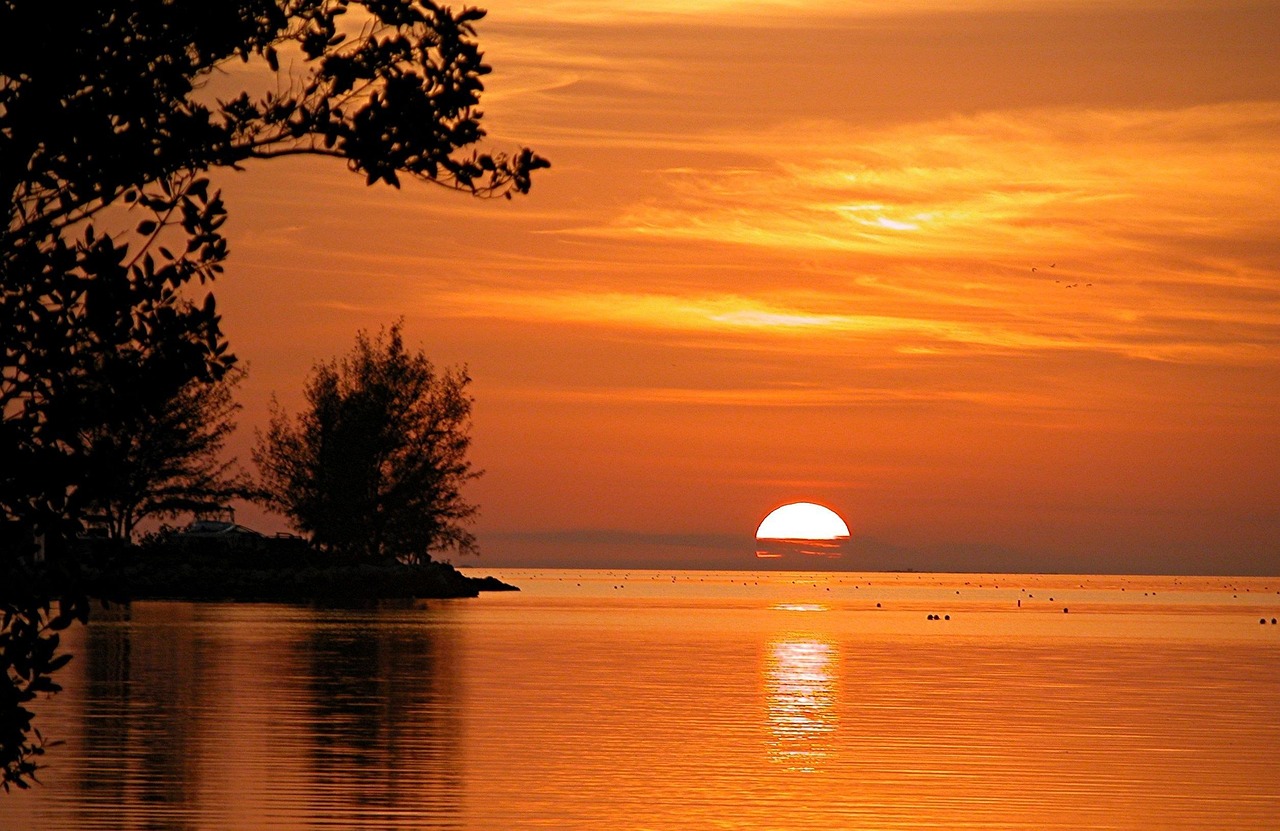
Enjoying a serene beach experience before the peak summer rush.
Top Destinations for Summer 2026
When deciding where to travel in summer, the options are vast, but some destinations consistently offer unique experiences. For 2026, we’re seeing a resurgence of interest in countries that offer rich cultural heritage alongside stunning natural beauty.
Europe: Cultural Gems and Coastal Escapes
Europe remains a perennial favorite, and for good reason. This summer, consider exploring the less-trodden paths. While Italy and Greece are always popular, look towards destinations like Portugal, Slovenia, or Croatia. Portugal offers a fantastic blend of historic cities like Lisbon and Porto, beautiful beaches, and delicious cuisine, often at a more accessible price point than its Western European neighbors.
Slovenia, often overlooked, boasts the Julian Alps for incredible hiking, the charming capital of Ljubljana, and a small but beautiful Adriatic coastline. Croatia’s Dalmatian Coast continues to draw crowds, but venturing inland or exploring islands like Vis or Korčula can offer a more authentic experience. Prices for a double room in a mid-range hotel in Lisbon in July 2026 can range from €150 to €250 per night, according to industry trend reports.
Asia: Adventure and Ancient Wonders
For those seeking adventure and cultural depth, Southeast Asia offers incredible value and diverse experiences. While Thailand and Vietnam are popular, consider destinations like Malaysia or Indonesia. Malaysia provides a vibrant mix of cultures, from bustling Kuala Lumpur to the serene tea plantations of the Cameron Highlands and the pristine beaches of Langkawi. Indonesia, with thousands of islands, offers everything from the spiritual heart of Bali to the Komodo dragons of Flores and the diving meccas of Raja Ampat.
Further East, Japan continues to captivate with its unique blend of ancient traditions and hyper-modernity. Summer can be hot and humid, but exploring cities like Kyoto, hiking in the Japanese Alps, or enjoying coastal towns can be rewarding. A typical 7-day trip to Malaysia for two, including flights and mid-range accommodation, might cost between $2,000 and $3,500 USD in 2026.
A serene Japanese garden offering a cool respite.
The Americas: Natural Wonders and Vibrant Cities
North America offers a wealth of summer travel opportunities. For nature lovers, national parks like Banff in Canada or Yellowstone in the USA are iconic, though booking accommodations and park entry well in advance is crucial for 2026. Coastal drives along the Pacific Coast Highway in California or exploring the rugged beauty of the Canadian Maritimes are also excellent choices.
South America truly shines in its summer months (December-February), but its shoulder seasons can be ideal for North American travelers seeking a summer escape. Consider exploring the unique landscapes of Patagonia (best during their spring/fall, but accessible in early summer for fewer crowds) or the cultural heart of Peru, including Machu Picchu. Traveling to South America in August 2026 for a two-week trip could cost an estimated $3,000-$5,000 per person, depending on the itinerary and accommodation choices.
Africa and the Middle East: Unique Experiences
For a truly unique summer adventure, consider parts of Africa or the Middle East. Safari destinations in East Africa, such as Kenya and Tanzania, are excellent in the dry season, which often aligns with summer in the Northern Hemisphere, offering prime wildlife viewing opportunities. These trips often involve guided tours and lodges, with costs varying significantly based on luxury level and duration, typically ranging from $4,000 to $10,000+ per person for a week-long safari in 2026.
The Middle East offers incredible history and culture. While summer can be intensely hot in many areas, cities like Istanbul, Turkey, offer a gateway to diverse cultures and stunning architecture with more manageable temperatures than the desert regions. Jordan, with its ancient city of Petra and the Wadi Rum desert, also provides a unique experience, though daytime temperatures in August 2026 can still exceed 40°C (104°F).
Planning Your Summer 2026 Trip: Smart Strategies
Successful summer travel in 2026 hinges on smart planning. The sooner you book, the better your chances of securing desirable flights and accommodation at reasonable prices.
Booking Flights and Accommodation
For summer 2026, start looking at flights and hotels at least 6–9 months in advance, especially for popular European destinations or major national parks. Flexibility with your dates can also yield savings; flying mid-week is often cheaper than on weekends. Using flight comparison websites and setting up price alerts can help you snag deals. For accommodation, consider a mix of hotels, vacation rentals, or even hostels depending on your budget and travel style.
A significant trend in 2026 is the rise of ‘slow travel,’ where longer stays in one location replace rapid multi-city tours. This can lead to cost savings on transport and deeper immersion. For instance, booking a two-week Airbnb in a smaller French village might be more economical and fulfilling than five separate hotel stays.
Budgeting for Your Summer Getaway
Summer is peak season in many parts of the world, meaning higher prices. To manage costs:
Travel Off-Peak: As mentioned, late May/early June or September can offer substantial savings.
Choose Affordable Destinations: Southeast Asia, Eastern Europe, and parts of Latin America generally offer better value than Western Europe or North America.
Eat Like a Local: Avoid tourist-trap restaurants. Seek out local eateries, markets, and street food for delicious and budget-friendly meals.
Use Public Transport: Opt for trains, buses, or local transit over taxis or rental cars where feasible.
For example, a week-long trip to Budapest, Hungary, in early July 2026, focusing on local dining and public transport, could realistically be done for under $1,200 USD per person, excluding flights.
Packing Essentials for Summer Travel
Packing light is an art form, especially for summer. Focus on versatile clothing that can be layered. Essential items include:
Sun protection: high SPF sunscreen, wide-brimmed hat, sunglasses.
Comfortable walking shoes.
Swimwear and a cover-up.
A light jacket or sweater for cooler evenings or air-conditioned spaces.
Reusable water bottle to stay hydrated and reduce plastic waste.
Don’t forget any necessary medications, a portable power bank, and travel adapters. For adventure travel, ensure you pack appropriate gear like hiking boots or specialized clothing.
Family Summer Travel Considerations
Traveling with children during summer requires extra planning. Consider destinations that offer activities suitable for various ages. Theme parks, family-friendly resorts, and destinations with safe swimming areas are always popular.
For 2026, destinations that allow for a slower pace and flexibility are ideal for families. Think about self-catering accommodations where you can prepare some meals, reducing dining costs and catering to picky eaters. Beach destinations with calm waters or resorts with kids’ clubs can offer both relaxation for parents and entertainment for children. For a family of four visiting a mid-range resort in the Caribbean for a week in July 2026, budget approximately $5,000 to $8,000 USD, inclusive of flights and activities.
Creating lasting memories with a family beach vacation.
Sustainable Summer Travel Trends
The push for more sustainable travel is stronger than ever in 2026. Travelers are increasingly conscious of their environmental impact and seeking ways to travel responsibly.
This means choosing destinations committed to conservation, supporting local communities through eco-friendly accommodations and tours, and minimizing waste. Opting for direct flights when possible, using public transport, and respecting local customs and environments are all part of this movement. Look for certifications like Green Globe or B Corp for accommodations and tour operators. Even small actions, like carrying a reusable water bottle and bag, contribute significantly.
Common Summer Travel Mistakes to Avoid
To ensure your summer trip is smooth sailing, sidestep these common pitfalls:
Not booking in advance: This is the cardinal sin of summer travel. Popular spots and good deals disappear quickly.
Over-scheduling: Trying to cram too much into a short trip leads to burnout. Embrace slower travel.
Ignoring weather forecasts: Summer weather can be unpredictable. Pack accordingly and be prepared for heatwaves or sudden storms.
Not budgeting for hidden costs: Factor in local transport, entrance fees, tips, and spontaneous purchases.
Failing to get travel insurance: This is non-negotiable, especially for international trips.
A quick check of travel insurance policies for a 10-day European trip in summer 2026 might range from $100 to $250 USD, depending on coverage levels, according to recent provider comparisons.
Expert Tips for Summer 2026 Travel
As an avid traveler, I’ve learned that the best trips often come from looking beyond the obvious. For summer 2026, here are a few extra insights:
Embrace the Unexpected: While planning is crucial, leave room for spontaneity. Some of the best travel moments happen when you deviate from the itinerary.
Learn a Few Local Phrases: Even a simple ‘hello’ and ‘thank you’ in the local language can open doors and enhance interactions.
Pack a Portable Charger: Essential for keeping your phone charged for navigation, photos, and communication.
Stay Hydrated and Sun-Safe: This can’t be stressed enough, especially in hotter climates. Carry water and use sun protection diligently.
Research Local Etiquette: Understanding cultural norms ensures respectful travel and a more immersive experience.
For instance, in Japan, knowing when and how to bow or remove your shoes indoors significantly enhances your interactions with locals.
Frequently Asked Questions
When is the best time to book summer 2026 travel?
For summer 2026, booking flights and accommodations 6–9 months in advance is recommended to secure the best prices and availability, especially for popular destinations.
Are summer travel destinations more expensive in 2026?
Yes, summer is peak season, meaning higher prices for flights and accommodation in many popular regions. Choosing less-visited destinations or traveling in shoulder seasons can offer more affordable options.
What are the safest summer travel destinations for families?
Family-friendly destinations with good infrastructure, low crime rates, and activities suitable for various ages, such as certain European countries or well-established resort areas, are generally considered safe.
How can I avoid crowds when traveling in summer?
To avoid crowds, consider traveling during the shoulder seasons (late May/early June or September), explore less popular regions within a country, or visit destinations known for their cooler climates.
What are the emerging summer travel trends for 2026?
Experiential travel, sustainable tourism, and slow travel are key trends for 2026. Travelers are seeking authentic connections, eco-conscious options, and longer, more immersive stays.
Is it worth traveling in summer if I want to avoid heat?
Yes, if you want to avoid extreme heat, focus on destinations with cooler summer climates like Northern Europe, mountainous regions, or coastal areas with consistent breezes.
Information current as of August 2026; pricing and product details may change.

 By Rameen