Quick AnswerThe best places to visit in Croatia in 2026 include historic cities like Dubrovnik and Split, stunning natural wonders such as Plitvice Lakes National Park, and popular islands like Hvar and Korčula, offering a diverse range of experiences for every traveler.
an experience, with ferry networks connecting many of the popular and less-visited islands.
Beyond the coast, inland Croatia offers unique historical sites and natural beauty, such as the Plitvice Lakes and Krka National Parks.
Dubrovnik: The Pearl of the Adriatic
No list of the best places to visit in Croatia is complete without mentioning Dubrovnik. Famous for its remarkably well-preserved medieval walled city, it’s a UNESCO World Heritage site that feels like stepping back in time. Walking along the ancient city walls offers breathtaking panoramic views of the terracotta rooftops and the sparkling Adriatic Sea.
Last updated: August 14, 2026
The Old Town itself is a labyrinth of charming cobblestone streets, Baroque buildings, and hidden courtyards. Don’t miss the Rector’s Palace, the Franciscan Monastery with its ancient pharmacy, and the bustling Stradun promenade. For the best experience, try to visit early in the morning or late in the afternoon to avoid the midday crowds, especially during peak summer months.
Practical Tip: Consider purchasing the Dubrovnik Card, which offers access to city walls, museums, and public transport, potentially saving you money if you plan to see multiple attractions. For stunning sea views without the city bustle, take the cable car up Mount Srđ.
Dubrovnik's iconic medieval walls offer unparalleled views of the city and sea.
Split: A Living Roman Palace
Split is Croatia’s second-largest city and a vibrant hub with a unique historical heart. Its centerpiece is Diocletian’s Palace, a UNESCO World Heritage site that isn’t just a ruin, but a living, breathing part of the city. Imagine walking through ancient Roman streets now lined with cafés, shops, and homes.
Explore the palace’s cellars, wander through its Peristyle courtyard, and climb the bell tower of St. Dominus Cathedral for incredible city and sea vistas. Beyond the palace, Split boasts beautiful beaches like Advicee, a lively Riva (waterfront promenade), and a thriving culinary scene. It also serves as a major ferry port for exploring the central Dalmatian islands.
Experience Insight: Unlike many ancient ruins, Diocletian’s Palace is integrated into daily life. You’ll see laundry hanging from Roman arches and hear local chatter echoing through millennia-old corridors, creating a truly unique atmosphere.
Plitvice Lakes National Park: A Fairytale Landscape
For nature lovers, Plitvice Lakes National Park is an absolute must-visit. This UNESCO World Heritage site is renowned for its 16 terraced lakes, interconnected by stunning waterfalls and cascades. The water’s color shifts from emerald green to turquoise blue, depending on the mineral content and light.
Wooden walkways wind through the park, allowing you to get incredibly close to the natural beauty without disturbing the ecosystem. You can explore the Upper Lakes (with their more numerous and dramatic falls) and the Lower Lakes (with their serene, clear waters). Electric boats and a panoramic ‘train’ help you Handle the larger distances within the park.
Practical Tip: Tickets are timed and often sell out, especially in summer. Book your entry well in advance online for 2026. Wear comfortable shoes, as you’ll be doing a lot of walking. While beautiful year-round, autumn offers stunning foliage, and winter can transform it into a frozen wonderland.
Hvar: Island of Glamour and Lavender
Hvar is arguably Croatia’s most famous island, known for its glamorous reputation, beautiful beaches, and fragrant lavender fields. The main town, also called Hvar, boasts a stunning Venetian-era harbor, a fortress offering panoramic views, and a lively nightlife scene that attracts international visitors.
Beyond the main town, Hvar offers secluded coves, crystal-clear waters perfect for swimming and snorkeling, and charming smaller villages like Stari Grad, one of Europe’s oldest towns. The island’s interior is carpeted with vineyards and olive groves, producing excellent local wines and olive oil. Renting a scooter or a small car is a great way to explore its hidden corners.
Drawback: Hvar can be one of Croatia’s more expensive destinations, especially in July and August. For a more budget-friendly and tranquil experience, consider visiting in the shoulder seasons or exploring less developed parts of the island.
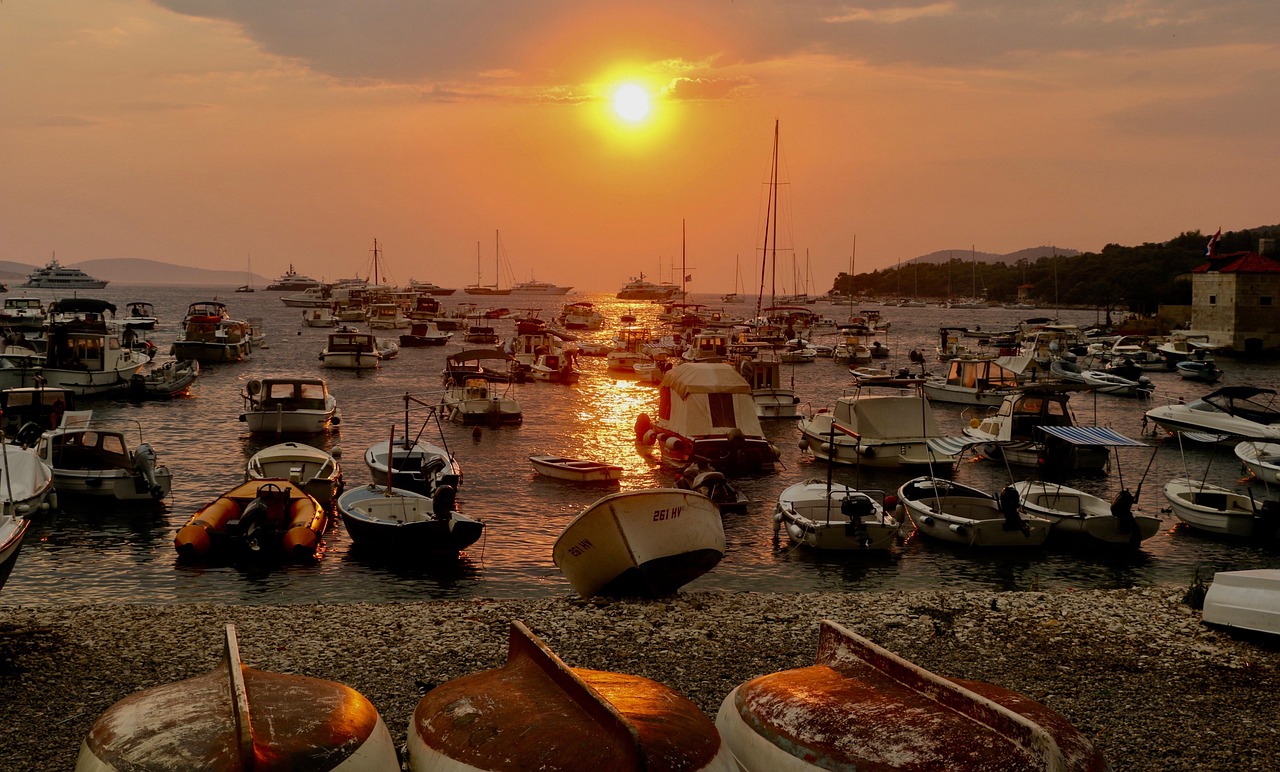
Hvar town's picturesque harbor is a hub of activity and beautiful architecture.
Korčula: A ‘Mini-Dubrovnik’ with Rich Wine Heritage
Often described as a ‘mini-Dubrovnik,’ Korčula town is a beautifully preserved walled medieval settlement on the island of the same name. Its old town is perched on a small peninsula and features a distinctive fishbone street layout designed to catch the cooling sea breezes.
Korčula is also celebrated for its wine production, particularly the indigenous white grape varieties like Pošip and Grk, found nowhere else. Wine tasting tours are a fantastic way to experience the island’s rich viticultural heritage. Explore charming villages like Lumbarda, known for its sandy beaches and vineyards, or venture inland to discover hidden coves and traditional konobas (taverns).
Experience Insight: Korčula offers a more relaxed atmosphere than Dubrovnik but retains a similar historical charm. It’s an ideal destination for those seeking history, culture, and excellent local wine without the intense crowds.
Roving: Istrian Charm and Culinary Delights
Nestled on the Istrian peninsula, Roving is a picturesque fishing port with a distinctly Italian flair, evident in its architecture and cuisine. Its old town is a tangle of narrow, winding streets that lead up to the stunning Church of St. Euphemia, whose bell tower offers panoramic views of the Adriatic and the surrounding archipelago.
Istria is Croatia’s gastronomic heartland, famous for its truffles, olive oil, and world-class wines. Roving, in particular, is home to numerous excellent restaurants and konobas serving fresh seafood and regional specialties. Exploring the colorful harbor and browsing the art galleries dotted throughout the old town are delightful pastimes.
Practical Tip: Consider visiting during the truffle season (autumn) for a truly unique culinary experience. Roving is also a great base for exploring other Istrian towns like Pula with its Roman amphitheater or the hilltop towns of Motown and Grožnjan.
Zadar: Where History Meets Modern Art
Zadar offers a fascinating blend of ancient Roman ruins, medieval churches, and innovative modern art installations. Its historic old town, situated on a peninsula, is a treasure trove of history, including the Roman Forum and the unique circular Church of St. Donatus.
What sets Zadar apart are its contemporary attractions: the Sea Organ and the Greeting to the Sun. The Sea Organ is an architectural sound art installation that plays music through pipes embedded in the sea stairs, activated by wave movement. Nearby, the Greeting to the Sun is a large solar-powered disc that collects sunlight during the day and puts on a dazzling light show at night. These unique sites make Zadar a dynamic and engaging destination.
Drawback: While historic, Zadar’s old town can feel less grand than Dubrovnik or Split. However, its unique artistic installations offer a modern appeal that’s hard to match elsewhere.
Zadar's Sea Organ creates music powered by the sea.
Krka National Park: Waterfalls and Nature Trails
While Plitvice Lakes often steals the spotlight, Krka National Park offers a similarly spectacular, yet different, natural experience. Located closer to the coast, Krka is famous for its series of seven travertine waterfalls and cascades, the most impressive being Skradinski Buk.
Unlike Plitvice, Krka historically allowed swimming in designated areas near Skradinski Buk, though regulations can change, so always check current advisories. The park also features walking trails, a small ethnic-village, and historic watermills. It’s an accessible and beautiful destination for a day trip from Split or Šibenik.
Experience Insight: Visiting Krka can feel more intimate than Plitvice, especially if you explore some of the less crowded trails away from the main Skradinski Buk viewpoint. The park’s accessibility makes it a popular choice for those exploring the Dalmatian coast.
Planning Your 2026 Croatian Adventure: Practical Tips
When planning your trip to the best places to visit in Croatia, timing is crucial. The peak season (July and August) offers the warmest weather and liveliest atmosphere but also the largest crowds and highest prices. For a balance of good weather and fewer tourists, consider visiting during the shoulder seasons: May, June, September, and October.
During these months, you’ll find pleasant temperatures ideal for sightseeing and swimming, and attractions will be less congested. Even in these shoulder months, book accommodations and popular tours in advance, especially for destinations like Dubrovnik and Hvar. Ferry schedules for island hopping are also more reliable during this period.
Unique Insight: To truly escape the crowds in 2026, consider exploring inland Croatia. Regions like Slavonia offer a different pace of life, with rolling hills, vineyards, and historic castles, providing a more authentic and less tourist-trodden experience than the bustling coast.
Beyond the Coast: Inland Croatia and Lesser-Known Gems
While the Dalmatian coast and its islands are undeniably stunning, Croatia’s inland regions and less-hyped coastal towns offer equally rewarding experiences. Zagreb, the capital, provides a vibrant urban atmosphere with Austro-Hungarian architecture, a thriving arts scene, and excellent museums. It’s a gateway to exploring the continental charm of Croatia.
For those seeking quieter islands, consider Vis, known for its pristine nature and military history, or Brač, home to the iconic Zlatni Rat beach but also charming inland villages. The Kvarner region, north of Dalmatia, boasts elegant seaside resorts like Opatija and less-visited islands such as Losingj, famed for its aromatic pine forests and wellness tourism.
Traveler’s Tip: When island hopping, familiarize yourself with the ferry schedules from Jadrolinija, Croatia’s main ferry operator. Booking accommodation on smaller islands in advance is highly recommended, as options can be limited.
Navigating Croatia: Transportation and Logistics
Getting around Croatia is generally straightforward. For inter-city travel, buses are efficient and connect most major towns. The national airline, Croatia Airlines, operates domestic flights, but ferries are the primary mode of transport for island hopping. Jadrolinija is the main ferry company, with a complete network linking the mainland to numerous islands.
Renting a car offers flexibility, especially for exploring Istria or inland regions, but be aware that parking in historic city centers can be challenging and expensive. Within cities, walking is often the best way to explore, but local buses and ride-sharing services are available in larger hubs like Split and Dubrovnik.
Experience Insight: Traveling between islands can be an adventure in itself. Enjoy the sea breeze and stunning coastal views from the ferry decks. For shorter hops, catamaran services offer faster transit times but may have higher fares.
Conclusion: Your Croatian Adventure Awaits
Croatia offers an incredible diversity of experiences, from the ancient allure of Dubrovnik and Split to the natural splendor of Plitvice Lakes and the island charm of Hvar and Korčula. Whether you’re seeking historical immersion, natural beauty, culinary delights, or vibrant city life, the best places to visit in Croatia cater to every traveler’s dream.
As you plan your 2026 trip, remember that strategic timing and a willingness to explore beyond the most famous spots can unlock a more authentic and rewarding journey. Embrace the Adriatic spirit and prepare for an adventure you won’t soon forget.
Information current as of August 2026; pricing and product details may change. Knowing how to address best places to visit in croatia early makes the rest of your plan easier to keep on track.
Written by Rameen — covering travel at Custom Writing Services. Spotted an error? Email admin@customwritingservice.org and we’ll correct it.
R
RameenRameen writes for Custom Writing Services covering asia & middle east, business & economy, categories, entertainment & culture, environment & climate.

 By Rameen